









Cryptocurrency mining containers: what they are and how they work
A cryptocurrency mining container is a self-contained enclosure that powers, cools, and networks miners, but it needs reliable power and local permits.
 Vahe HakobyanEditor-in-chief
Updated Oct 6, 20262 min readFact-checked
Vahe HakobyanEditor-in-chief
Updated Oct 6, 20262 min readFact-checked
On this page
- Power panels and breakers feed each miner.
- Fans and filters manage heat and dust.
- Permits and fire codes can limit placement.
A working cryptocurrency mining container adds electrical panels, ventilation, and fire controls to a modified shipping container or custom frame.
What is a mining container?
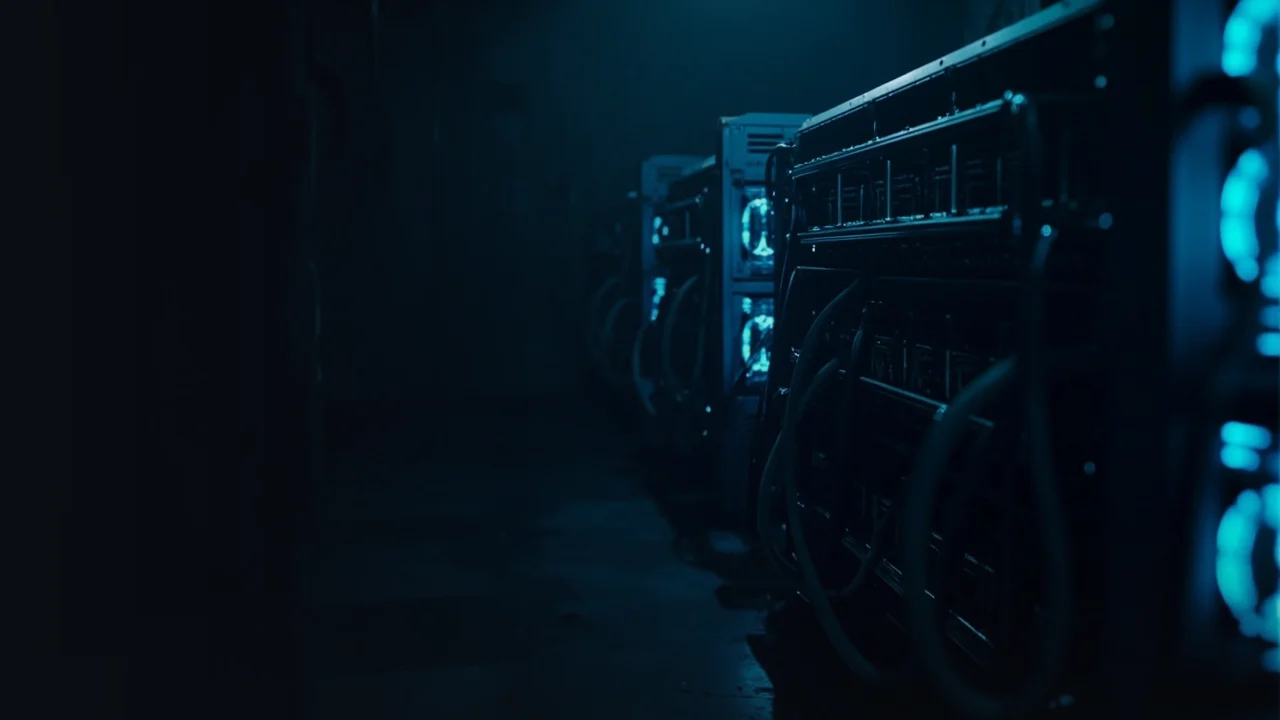
A mining container holds miners, power equipment, cooling gear, and network hardware. It may use a modified shipping container or a custom frame.
How do containers power and cool miners?
Power enters through a main panel and breakers, then feeds each miner. Network switches and cables connect the miners.
- Breakers and power supplies feed each miner.
- Switches and cables link miners to the internet.
- Fans and filters manage heat, dust, and humidity.
Where are mining containers used?
Operators place containers at remote locations, behind-the-meter power sources, and temporary projects. Behind-the-meter power comes from a private source on the same property.
What limits containerized crypto mining?
The main limits are power access, noise, permits, cooling capacity, and fire risk. Local rules can block a unit even when power is available.
How is it different from warehouse mining?
A warehouse mining farm is a building fitted for many miners and usually has building-wide cooling. A container is a smaller unit that can move.
Frequently asked questions
Often yes for electrical work. Ask the local planning office before delivery.
Yes, if the supply meets the miners' load. Solar usually needs batteries.
A working container gives off a steady hum from cooling fans and power equipment.
Miners usually slow down or shut off when they get too hot, and heat can damage hardware.