Crypto QR code payments: what they are and how they work
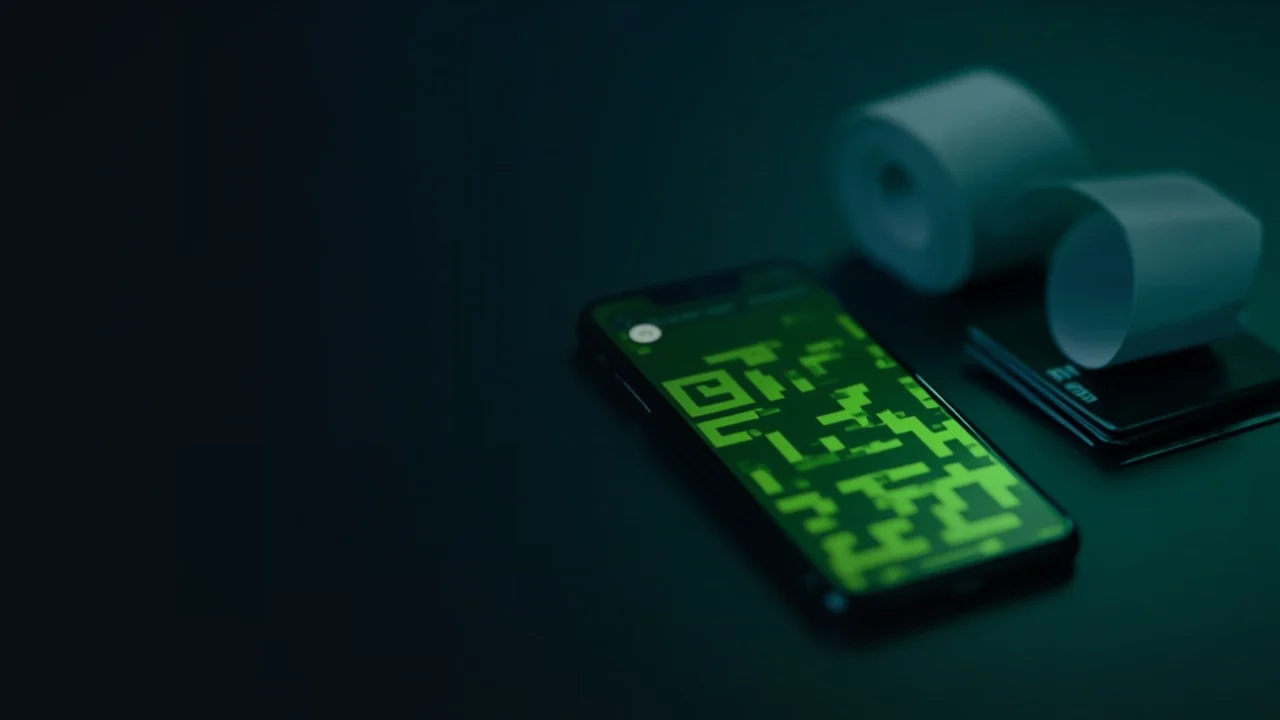
A crypto QR code payment is a scan-to-pay crypto transfer that fills in recipient and amount. Check the details, then approve; it is usually irreversible.
 Vahe HakobyanEditor-in-chief
Updated Oct 6, 20263 min readFact-checked
Vahe HakobyanEditor-in-chief
Updated Oct 6, 20263 min readFact-checked
On this page
- The code supplies details; your wallet sends funds after you approve.
- The code can name the asset and network, so they must match.
- Merchants can accept crypto directly or use a processor for dollars.
- Approved payments are irreversible; a wrong address or fake code can lose funds.
The code itself never moves money. It gives your wallet a payment request to review. People use these payments to pay sellers that accept cryptocurrency instead of cash or a card.
How does a crypto QR code payment work?
A merchant or seller shows you a QR code. A compatible wallet reads it and fills in the recipient and amount. The code can also name the asset and network. You check the details, then approve the transfer.
Where can you use crypto QR payments?
Merchants that accept crypto may show a code at checkout, on a website or on an invoice. Some take the crypto directly and hold it. Others use a payment processor that converts it into dollars.
- A store can show a code at the counter.
- An online seller can display one at checkout.
- A service business can put one on an invoice.
What risks come with crypto QR payments?
A crypto QR payment is usually irreversible. Once approved, the blockchain records it, and your wallet cannot pull it back. A wrong address, a wrong network or a fake code can send funds elsewhere. Scammers also mail fake IRS letters that carry codes.
How is spending crypto taxed in the US?
In the US, spending crypto is taxable because the IRS classifies digital assets as property. Buying crypto with US dollars is not taxable, but paying with crypto is, since you dispose of property and may owe tax on a gain.
Federal returns require an entry for every digital asset transaction, even with no gain or loss. A digital assets question appears on Form 1040, and you answer Yes or No.
Frequently asked questions
Usually not. Once the network confirms the transfer, it is final, though the recipient can send funds back.
You need a wallet or app that supports the asset and network in the code. Many general crypto wallets can scan codes.
The recipient sees the sending address and the amount, which can be public on the blockchain. Your name and balance are not part of the payment.