







Backpack plans to combine regulated derivatives infrastructure with settlement and collateral tools built for digital assets. The proposed model is designed around continuous trading, support for fiat and crypto collateral, and a shared order book intended to reduce the fragmentation that exists across separate venues.
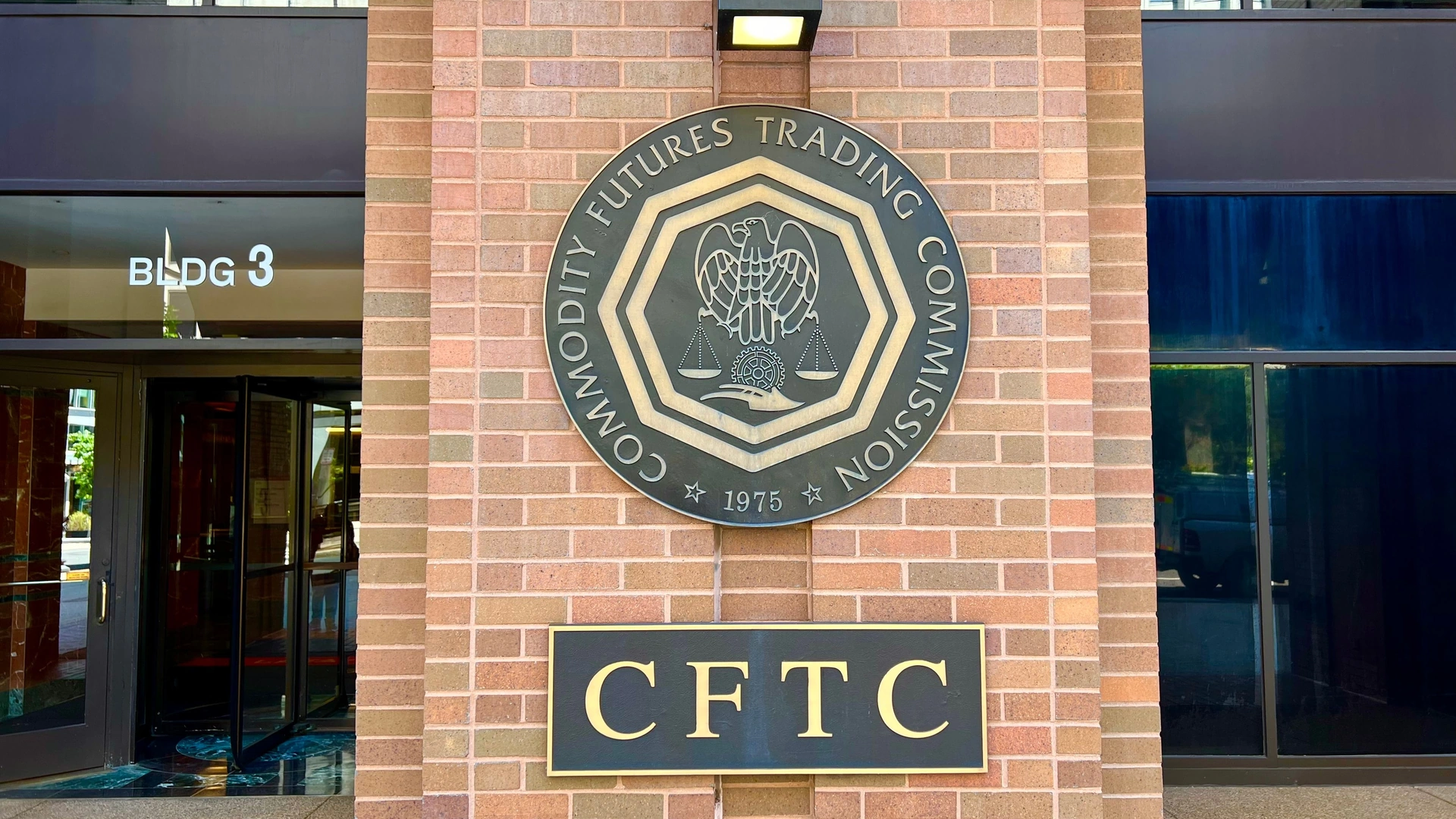
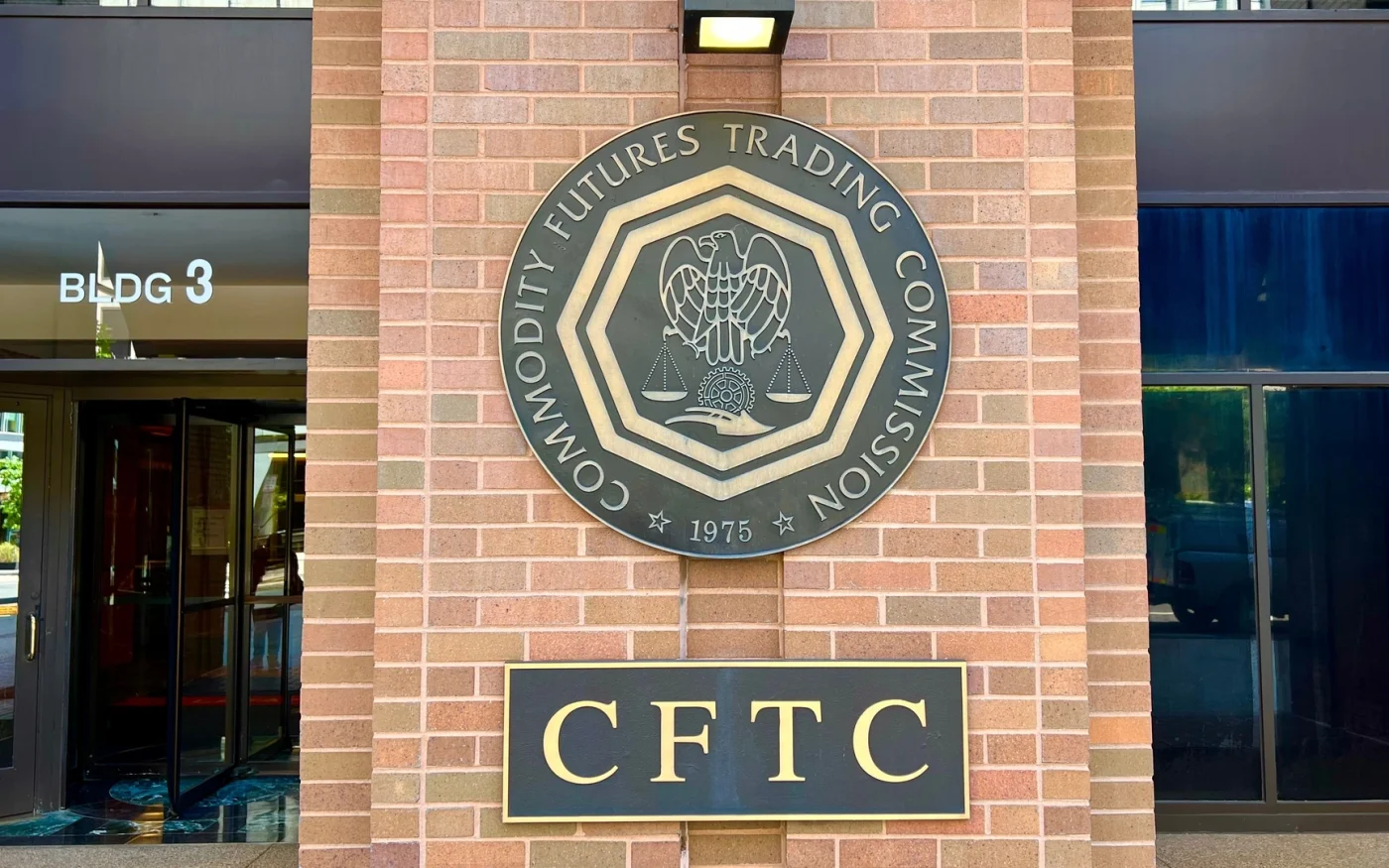
The Commodity Futures Trading Commission issued the approval on 16 November. The order designates Backpack’s US entity as a contract market, a major regulatory step for the company. Further operational work and product-specific compliance are still required before every planned service can be offered to customers.
The designation creates a framework, not a blank cheque
A designated contract market can list futures and other derivatives under CFTC oversight, but it must maintain surveillance, financial resources, reporting systems and rules designed to protect market integrity. Backpack will need to demonstrate that its technology performs those functions consistently, including during periods of heavy volatility.
The company has described plans for perpetual-style crypto derivatives, 24-hour access and cross-margining between eligible positions. These features are common on offshore platforms, but offering them in a regulated US structure requires careful treatment of leverage, collateral valuation and liquidation procedures.
Unified liquidity is the central commercial argument
Crypto markets are often split by geography, product type and collateral. Backpack says a unified order book could allow participants to face deeper liquidity rather than isolated pools. In theory, that can improve price discovery and reduce the difference between buying and selling prices. In practice, the benefit depends on whether enough market makers and customers choose the venue.
Round-the-clock operation also introduces technical demands. Risk systems must value collateral while traditional banking rails may be closed, and the exchange must handle network congestion or sharp token-price changes without creating inconsistent liquidations. Regulatory status does not remove those risks; it makes the standards for managing them clearer.
The approval is significant because it shows that blockchain-focused market infrastructure can enter the existing US derivatives framework. The more important test comes next: converting a legal designation into a reliable exchange with transparent rules and sufficient liquidity. Investors should distinguish between the ability to build the venue and proof that the finished market has achieved scale.
This article is for information only and is not investment advice.
 admin_wcContributor · World-CryptMore from