









Bitcoin remained under pressure on 20 November after failing to hold an intraday recovery. Buyers briefly pushed the price close to $64,000, but the rise faded and the market returned towards the lower end of the session range. The reversal showed that traders were still using short recoveries to reduce risk rather than treating every decline as a buying opportunity.
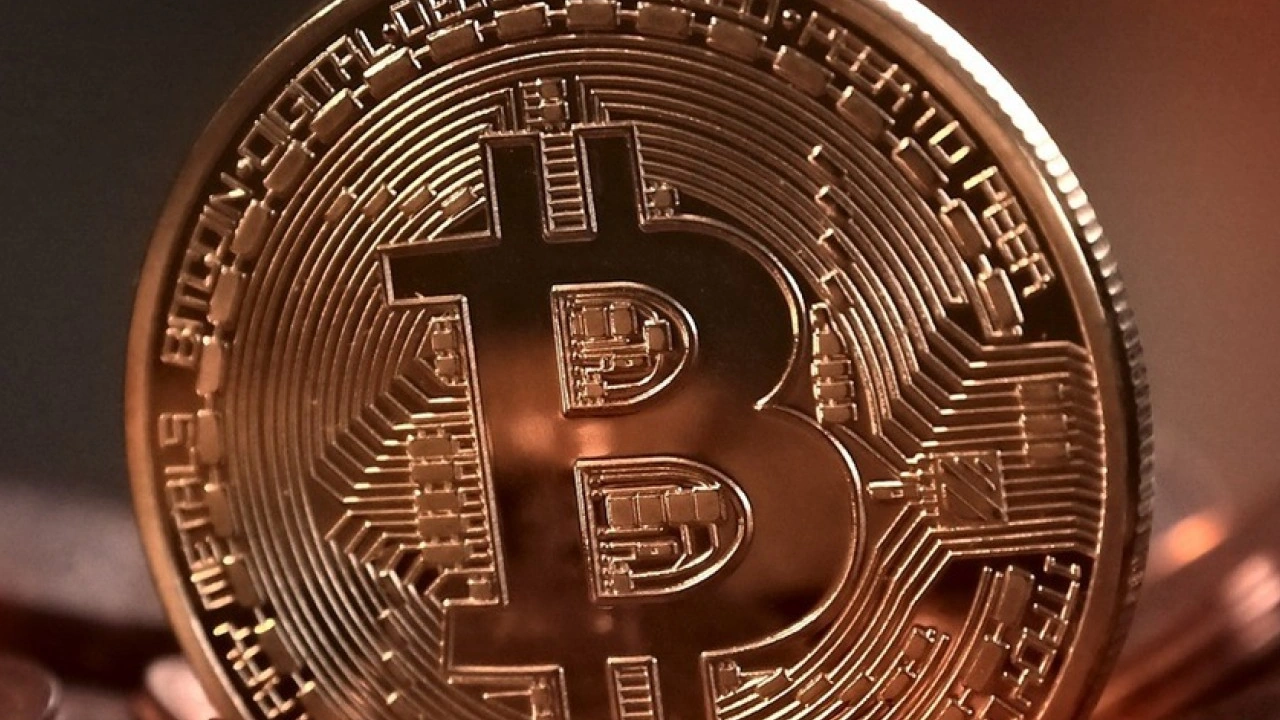
Bitcoin traded around $61,500 at the time of the final review, down about 2.9 per cent from the previous close. The intraday range extended from roughly $61,300 to $64,000. These figures are a snapshot rather than a fixed closing price, because cryptocurrency trading continues without a daily exchange shutdown and the quote can change quickly.
The $60,000 area is becoming the next test of buyer demand
Round numbers do not guarantee support, but they concentrate orders and attention. A stable period above $60,000 could allow volatility to settle. A clear fall below that level could make recent buyers more defensive. It could also force the closure of leveraged positions opened during the attempted recovery.
Exchange-traded fund flows remain important because they provide a visible measure of institutional demand. Persistent outflows do not determine the price on their own, but they remove a source of steady buying. In that environment, futures positioning and liquidation levels have a larger influence on short-term movement.
Risk management matters more than predicting one exact bottom
A falling market can produce sharp recoveries without changing the broader trend. Traders should distinguish between a rapid rise caused by short sellers closing positions and sustained demand. Volume, fund flows and the ability to remain above the previous low are more useful signals than one sudden price jump.
Bitcoin remains highly liquid, but the current session shows that liquidity does not remove volatility. The immediate question is whether buyers can keep the price above $60,000 and rebuild confidence. Until rebounds hold for longer, the market is likely to remain cautious and sensitive to every change in broader risk assets.
This article is for information only and is not investment advice.
 admin_wcContributor · World-CryptMore from