








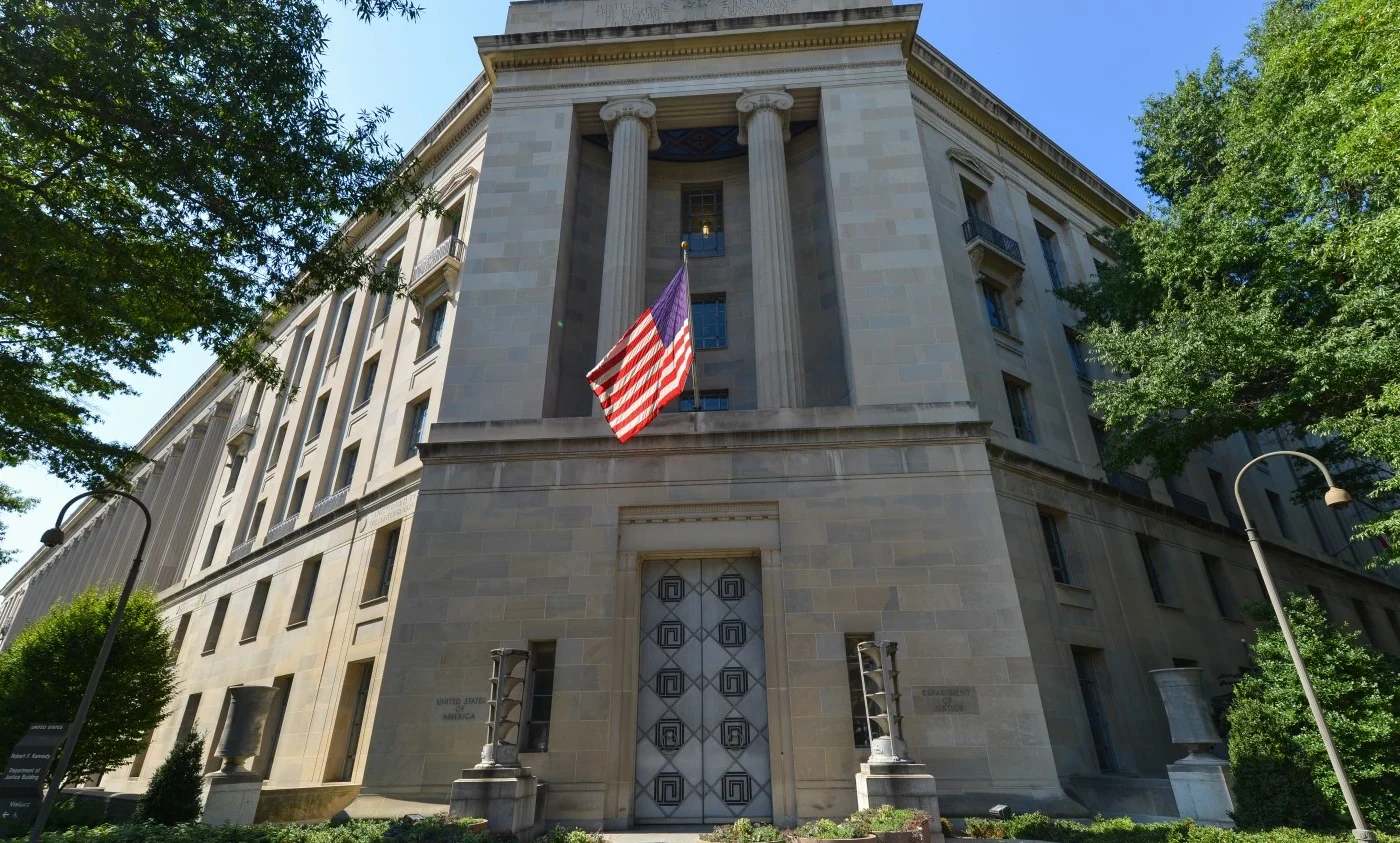
The United States has filed a civil forfeiture action covering more than $1.1 billion in USDC linked to the October 2026 attack on Binance. The Justice Department says the assets are criminal proceeds and laundered funds from a theft carried out by North Korean cyber actors.
A forfeiture complaint is not the same as a final transfer of ownership. The government must establish its claim through the court process, and other parties can contest an interest in the assets. The filing is important because it moves the case from an emergency freeze towards a formal legal attempt to recover the funds.
The complaint traces transfers made on 29 October
Court documents describe an unauthorised transfer of approximately $780 million in USDC from Binance on Ethereum at 20:41 UTC, followed by another $43 million to the same address. A later transfer moved about 1.14 million USDC on the MASK network. The complaint covers USDC held through 36 addresses on 18 blockchains, including funds linked through additional transfers.
USDC is designed to track the value of the US dollar and is issued by Circle. Unlike bitcoin, it includes a central issuer that can block specific addresses when presented with valid legal authority. That technical feature can prevent frozen tokens from moving, although it does not by itself determine who ultimately receives them.
Asset recovery does not erase the security failure
The Justice Department previously said that more than $6 billion in virtual assets had been stolen from Binance in the broader incident. Freezing a portion of the funds limits the attackers’ ability to convert or move them, but the remaining losses still require tracing across networks, exchanges and services designed to obscure transaction paths.
The case also shows why stablecoin enforcement differs from recovery of a fully decentralised asset. Authorities can combine blockchain records with orders directed at an identifiable issuer. That does not make every transfer reversible, but it creates an intervention point that may not exist for tokens without a central administrator.
For users, the filing is evidence that public blockchain transactions can remain traceable even after funds are split among many addresses. It is not a guarantee that every victim will be repaid. The next stage is legal: the court must decide whether the assets are forfeitable and how any successful recovery should be handled.
This article is for information only and is not investment advice.
 admin_wcContributor · World-CryptMore from