





South Korea’s Financial Services Commission presented a new legislative proposal at a Virtual Asset Committee meeting on 24 November, with detailed coverage continuing on 25 and 26 November. The draft would expand regulation beyond anti-money-laundering duties and the existing rules against unfair trading.
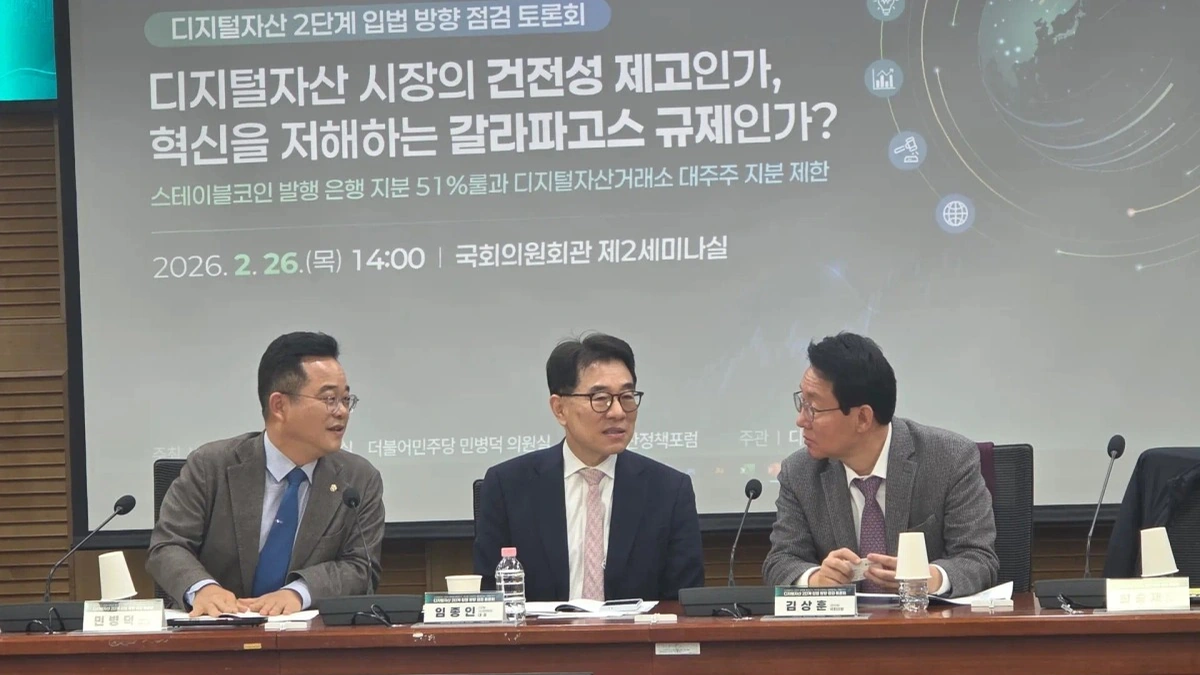
The proposal would create a route for domestic token offerings after a ban that has lasted since 2017. Issuers would need to file disclosure documents and follow rules intended to give buyers clearer information about the project, the supply of tokens and the use of funds. The change is proposed rather than already in force.
Stablecoin issuance would begin under bank-led structures
The bill sets out a supervised model for won-backed stablecoins. Early issuance would require a consortium in which banks hold a majority and would also be subject to capital and approval requirements. The approach aims to connect redemption promises with institutions that already operate under financial supervision.
For users, the key question is not only who can issue a token but what happens to the reserves. A stablecoin needs liquid assets, clear custody arrangements and a reliable process for converting the token back into won. Without those safeguards, a nominal one-to-one value can break under heavy withdrawals.
Exchange ownership rules may change the market structure
The proposal also addresses ownership stakes in cryptocurrency exchanges. A cap on major shareholders could force some existing owners to reduce their positions and might alter how platforms are controlled. Supporters see the rule as a way to limit concentration, while exchanges are likely to focus on the cost and timing of any restructuring.
Parliament still has to consider the legislation, and the final text may change. Enforcement decrees would also be needed to define filing procedures, capital calculations and the exact responsibilities of issuers and trading platforms. Investors should therefore distinguish the published proposal from rules that apply today.
South Korea is attempting to reopen space for domestic crypto innovation while keeping banks and regulators close to the most sensitive parts of the system. The success of the framework will depend on whether disclosure, reserves and exchange governance can be enforced without creating loopholes that move risk outside the regulated market.
This article is for information only and is not investment advice.
 admin_wcContributor · World-CryptMore from