








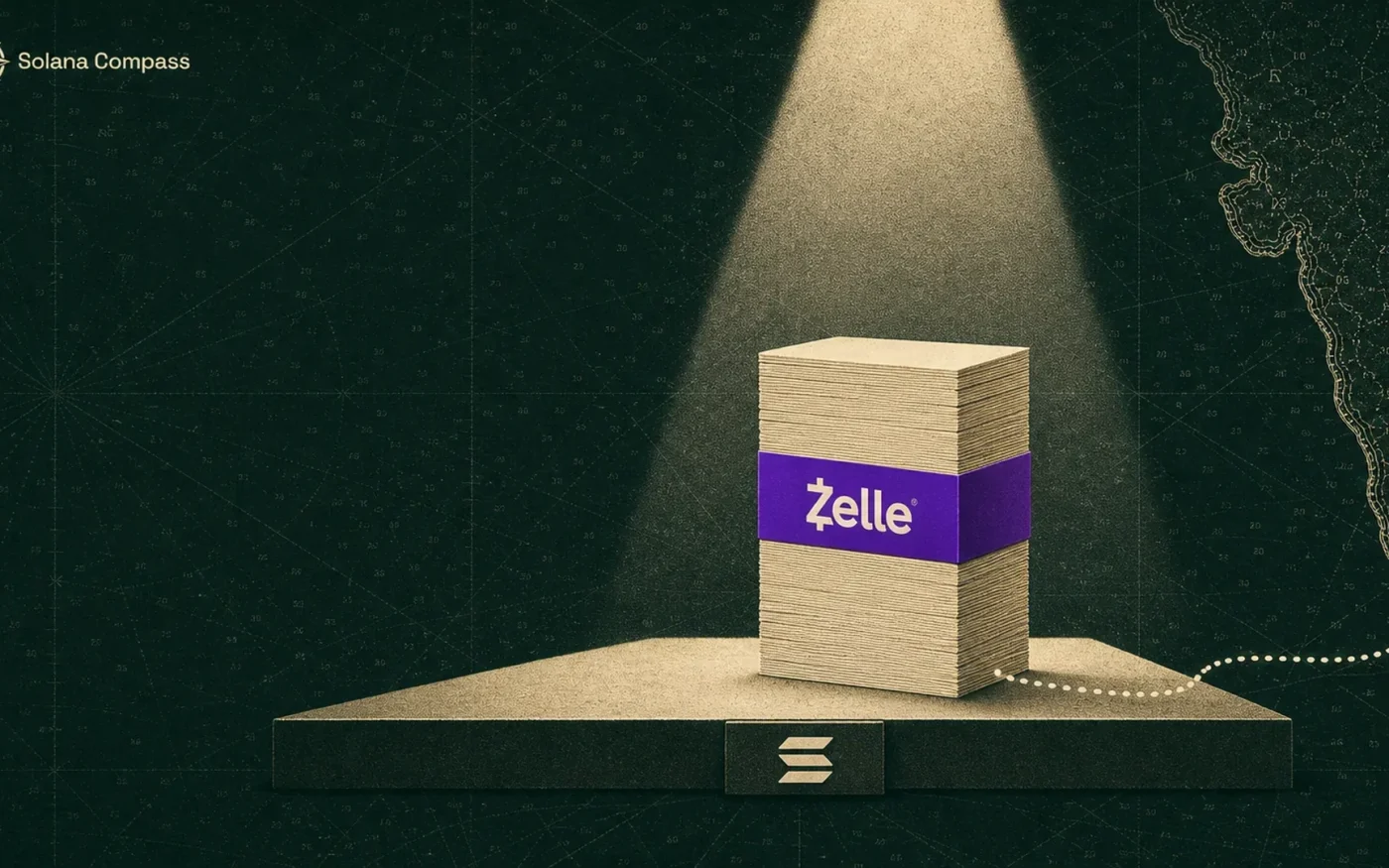
The demonstration shows how a payment network owned by banks is testing blockchain infrastructure for international transfers. It does not mean the service is available to customers, and the transaction did not take place on Solana’s public main network.
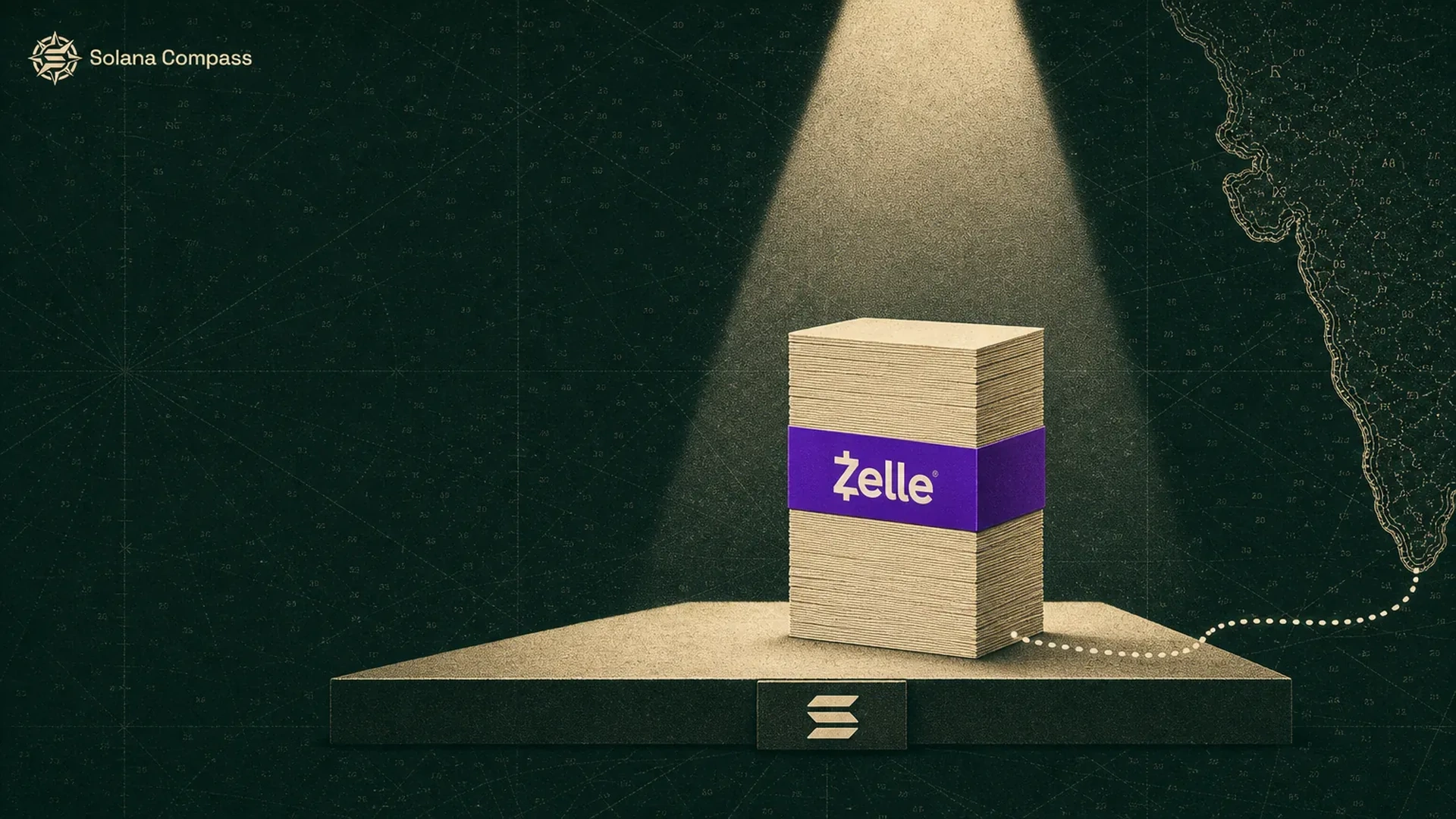
The transfer was presented on 16 November at the Breakpoint conference in London. Zelle executives sent $1.25 million in ZelleUSD on Solana devnet, while the amount was concealed through confidential-transfer technology. No public launch date was announced.
The technology limits what a public ledger reveals
Standard blockchain transfers reveal the sending address, receiving address and amount. Confidential-transfer tools aim to verify that a transaction follows the rules without publishing every commercial detail. That feature is important for businesses that cannot reveal supplier payments or transfers between their own accounts.
Privacy does not remove compliance requirements. A regulated payment operator still needs controls for customer identification, sanctions screening and investigations. The challenge is to preserve those functions while limiting unnecessary public disclosure.
The Solana test does not mean that the service has launched
Zelle selected Solana as the network for ZelleUSD and international payments between users. Solana offers fast settlement and low transaction costs, but this demonstration used a developer network under controlled conditions. A public launch would require stronger security, reserve management and integration with banking partners.
The stablecoin would also need a clear redemption process. Users must know who issues the token, what assets back it and how quickly one token can be exchanged for one dollar. Those details determine whether a payment coin can maintain confidence during periods of stress.
Zelle’s existing network could help the service grow quickly
Zelle processed more than $1.2 trillion in US payments in 2025, giving it a user and bank network that many crypto-native projects lack. If ZelleUSD moves from testing to a full product, the stablecoin would enter the market with established distribution rather than starting from zero.
The transfer shown at Breakpoint is therefore an important technical signal, but not a finished service. The next steps are a launch timetable, information about reserves, deployment on the public network and clear consumer protections. Until those appear, the demonstration shows Zelle’s direction rather than an immediately available product.
This article is for information only and is not investment advice.
 admin_wcContributor · World-CryptMore from