








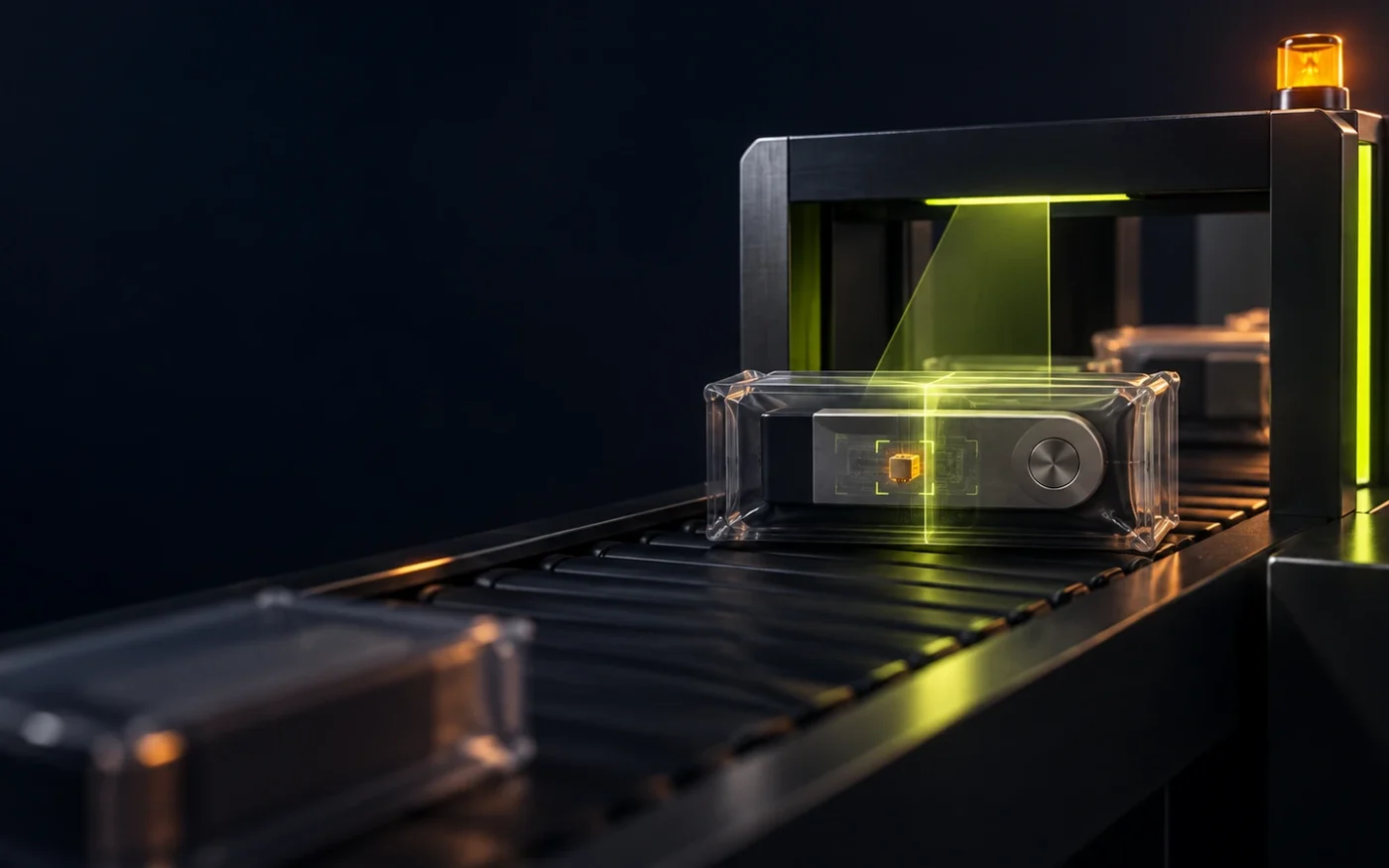
Ledger confirmed that one device connected to its investigation of customer losses contained an unauthorized hardware implant. The company’s October updates, reported by CoinDesk on October 12, said all confirmed cases known at that time involved devices sold through Southeast Asian reseller CryptoBilis. The investigation was still continuing.
The confirmed finding is narrower than many circulating claims. It establishes physical tampering in one examined device and a common reseller among the cases Ledger had confirmed. It does not establish that every device sold by the reseller was modified, that every reported loss had the same cause or that the manufacturer’s internal systems were breached.
Ledger said it had no indication that its security infrastructure, systems, services or direct sales channels were compromised. That is the company’s reported status, not an independent guarantee about every unit in circulation. CryptoBilis suspended sales of all hardware wallet inventory while the investigation continued.
Third-party researchers published large aggregate loss estimates, but Ledger had not confirmed an official total in the report. A careful safety guide can explain the company’s actions without repeating an uncertain figure as fact. The useful question for an owner is whether the purchase path and setup history match the affected scope.
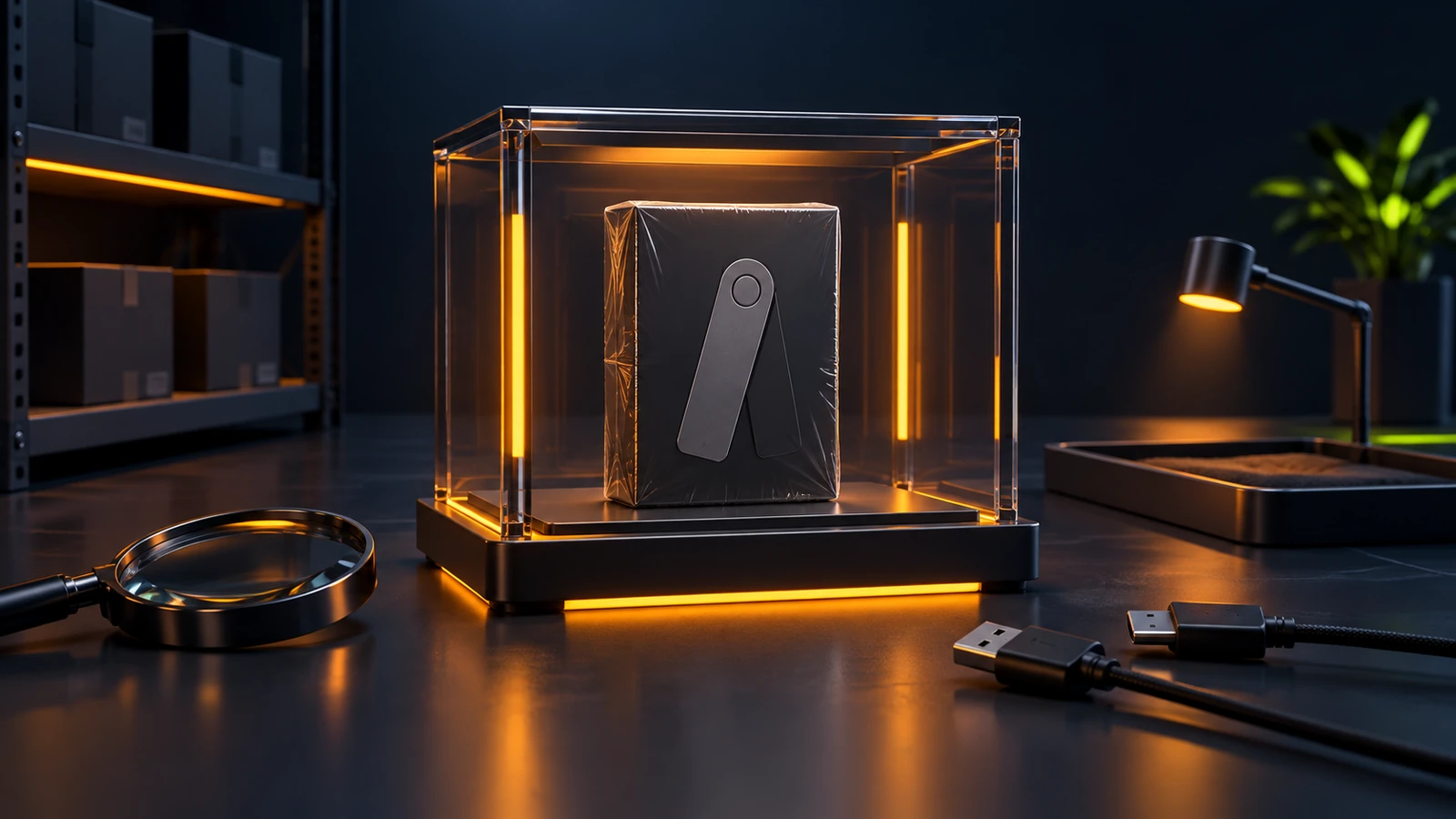
Actions depend on whether setup began
Ledger’s guidance divides customers by device state. A CryptoBilis customer who has an unused device was told not to initialize it. Avoiding setup matters because the investigation concerns possible physical modification before the product reached the buyer. Turning the device on to conduct an improvised test can create exposure that did not previously exist.
A customer who already initialized an affected-path device was told to move assets to a new seed on a device obtained directly from Ledger. The phrase new seed is essential. Moving to another account derived from the same recovery phrase would leave control tied to the same secret and would not follow the stated remedy.
The company also directed affected users to official Ledger Support and local law enforcement. Contact channels should be reached independently rather than through a link in an unsolicited message. During a security incident, fake support accounts can imitate urgent instructions and try to collect the very credential users need to protect.
Ledger repeated that it will not call, send a direct message or ask for a 24-word recovery phrase. No support investigation requires a user to type that phrase into a website, chat or form. Anyone who receives such a request should stop the interaction instead of treating knowledge of the incident as proof that the sender is legitimate.
The advice is specific to the information available in the investigation. Owners who did not buy through CryptoBilis should not infer that their device was confirmed affected. They can still verify their purchase record, preserve invoices and use official support if a device shows unexpected setup behavior, but the published scope should not be expanded without new evidence.
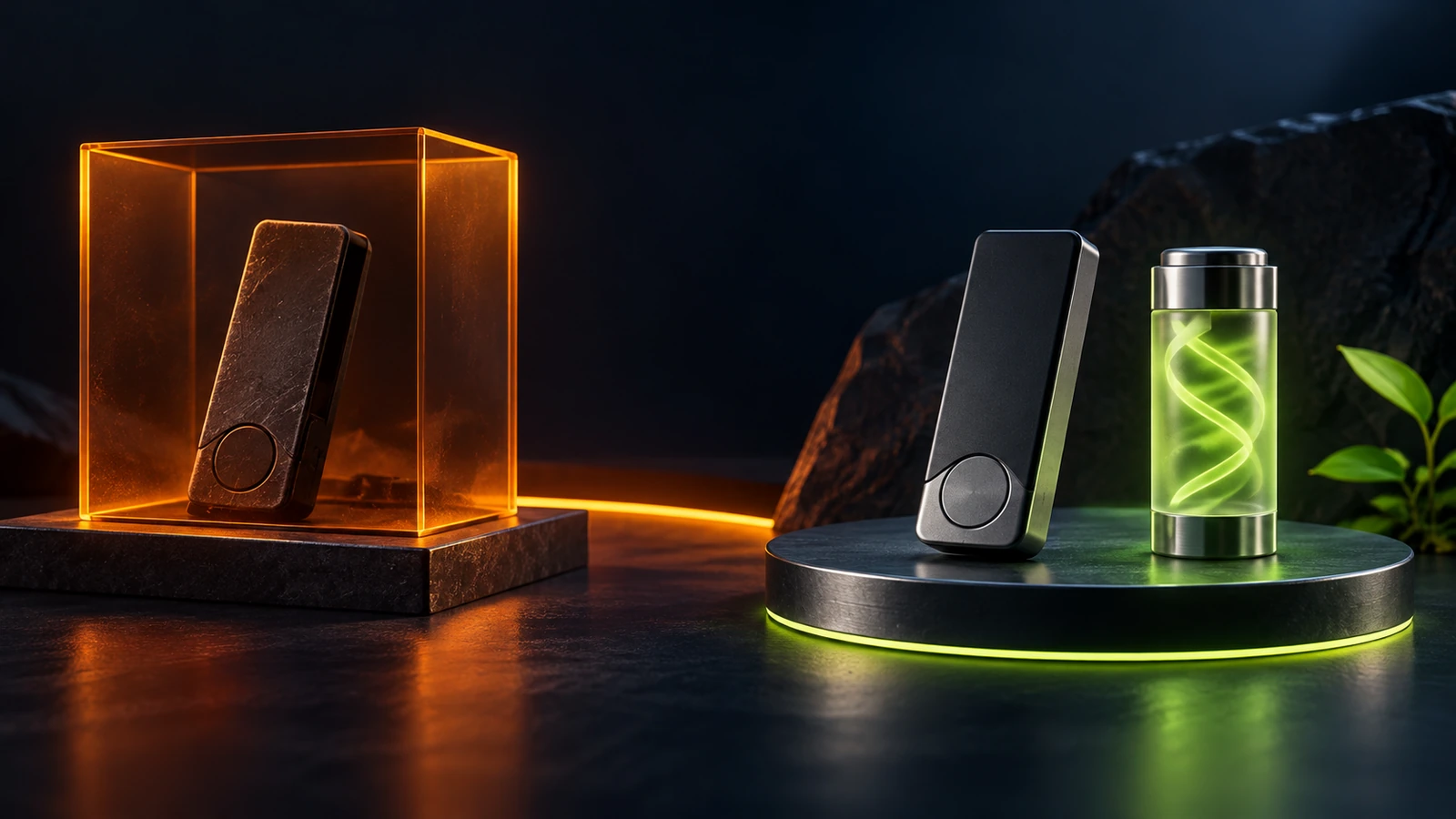
A supply-chain checklist without guesswork
Begin with provenance. Record the seller, purchase date, order confirmation and delivery chain. An authorized reseller label is relevant context, but this incident shows why buyers also need a traceable transaction and a way to receive later safety notices. Provenance does not prove a device is clean; it allows the scope of an investigation to be applied accurately.
Next preserve the distinction between device authenticity and physical custody. A software authenticity check can test specific components or credentials, while a supply-chain investigation may concern added hardware. The public confirmation does not justify a universal claim that normal checks are useless. It shows that users should follow the manufacturer’s incident guidance when a particular distribution route is named.
If migration is required, prepare a genuinely separate trusted signer and generate a fresh recovery phrase through its normal setup. Verify receiving addresses on the trusted device, make a small test transfer when practical and then move remaining assets. Never import the suspect seed into the replacement and never share either phrase with support.
Finally, separate confirmed statements from estimates and speculation. The confirmed facts are the implant found in one affected user’s device, the reported CryptoBilis connection among confirmed cases, the reseller’s sales suspension and Ledger’s customer guidance. Claims about total losses, the full number of modified units or the path used to compromise the supply chain remain separate until supported by the investigation.
This method keeps the response proportionate. It gives customers in the stated group direct steps while avoiding panic among unrelated owners. The scope can be updated if Ledger, authorities or a documented technical report publishes new evidence.
- Do not initialize an unused device bought through the named reseller.
- For an initialized affected-path device, migrate to a fresh seed on a trusted replacement.
- Reach support through an independently verified official channel.
- Never disclose a 24-word recovery phrase to support or a caller.
- Keep unconfirmed loss totals and supply-chain theories out of the action plan.
| Situation | Documented action | Critical limit |
|---|---|---|
| Unused CryptoBilis device | Do not initialize it | Do not test it with a recovery phrase |
| Already initialized | Move to a new seed on a directly obtained device | Do not reuse the old seed |
| Unsolicited support contact | Stop and use an official channel | Never reveal 24 words |
| Device from another seller | Check provenance and await evidence | Not confirmed affected by the stated finding |
This article is for information only and is not investment advice.
 admin_wcContributor · World-CryptMore from