How crypto ATMs work: a step-by-step guide
A crypto ATM takes your cash and sends cryptocurrency to a wallet address you control. First you scan your wallet code, insert bills, and confirm.
 Vahe HakobyanEditor-in-chief
Updated Oct 6, 20263 min readFact-checked
Vahe HakobyanEditor-in-chief
Updated Oct 6, 20263 min readFact-checked
On this page
- You need a wallet address, a phone, and often a photo ID.
- Fees are high, and daily limits differ by operator.
- Keep the receipt for tax records and account security.
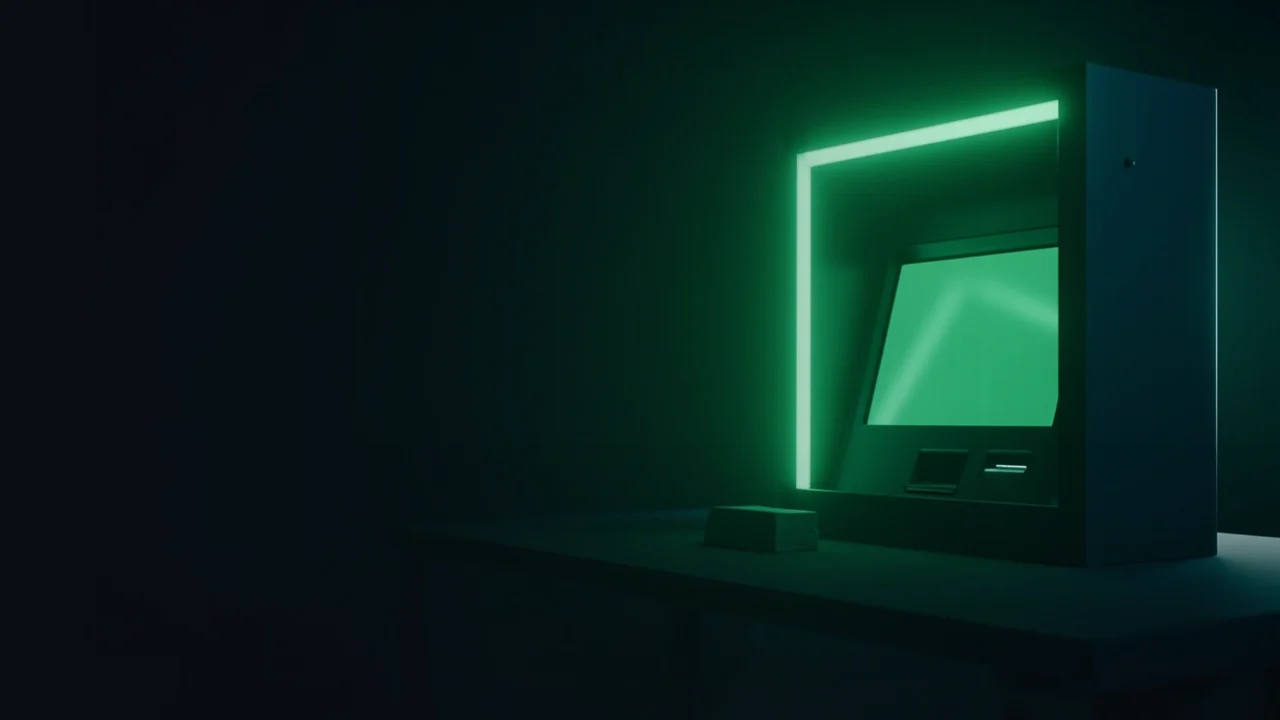
Crypto ATMs work like a cashier for coins, and the machine handles the whole purchase at the kiosk. The first US Bitcoin ATM opened in Albuquerque in 2014.
What is a crypto ATM?
A crypto ATM is a kiosk that sells Bitcoin and other cryptocurrencies for cash, and some machines also buy coins back for cash. Unlike a bank ATM, it does not connect to a bank account, and some operators require you to hold an account first.
What you need and how to find one
In states where crypto ATMs are allowed, operators generally need a money-transmitter license; Indiana banned the kiosks in March 2026. Before you use a machine, check the operator with your state regulator, and find nearby machines on map apps or the operator's website.
- A wallet receive address for the coin you want
- A phone for a verification text
- A government photo ID, such as a driver's license
How to use a crypto ATM step by step
Many machines ask for a phone number and an ID scan before the payment screen appears. Read the price and fee on the screen before you insert bills.
- 1Choose your coinPick the cryptocurrency and read the price and fee on the screen.
- 2Scan your wallet codeHold your phone to the scanner so the machine reads your receive address. Compare it with the receive address in your wallet.
- 3Insert your cashFeed in the bills and check the total against the cash you put in.
- 4Confirm the purchasePress confirm only when the coin, the address, and the amount match what you intended.
Fees, limits, and after the transaction
Crypto ATM operators set their own fees, and those fees are usually high. Daily limits also vary by operator. The IRS treats cryptocurrency as property, so buying coins with US dollars is not a taxable event, but selling them for cash is.
Frequently asked questions
Usually not. Many machines text a verification code, and some require an account first.
It depends on the machine. Many crypto ATMs sell Bitcoin only, while others list a few popular coins.
Keep the receipt and contact the operator with the time, amount, and wallet address. If that fails, complain to your state banking regulator.