









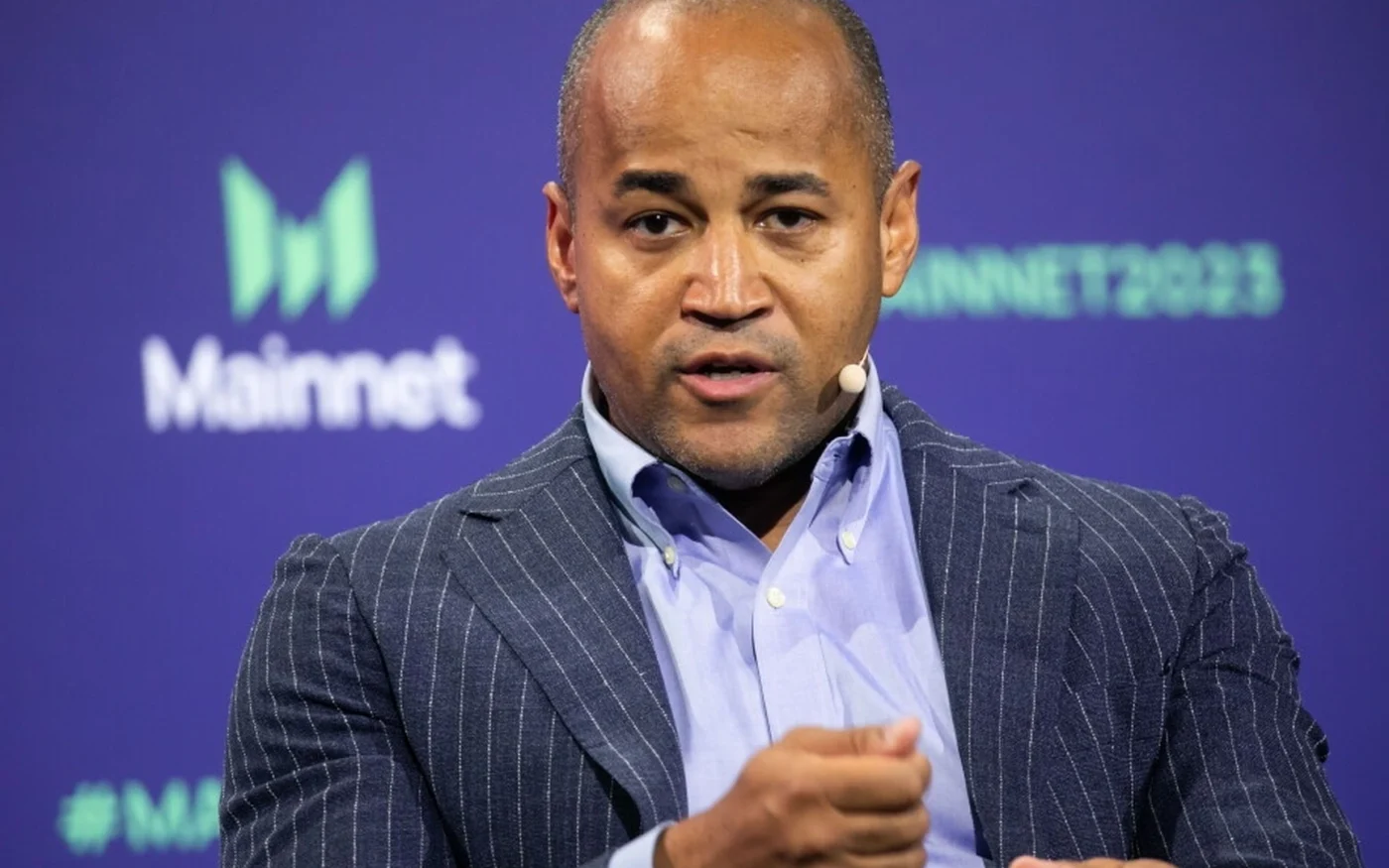
The changes place policy, operations and compliance closer to the centre of Circle’s strategy. Stablecoin companies now work with banks, payment firms and regulators across many jurisdictions. That scale requires consistent controls as well as faster product development.
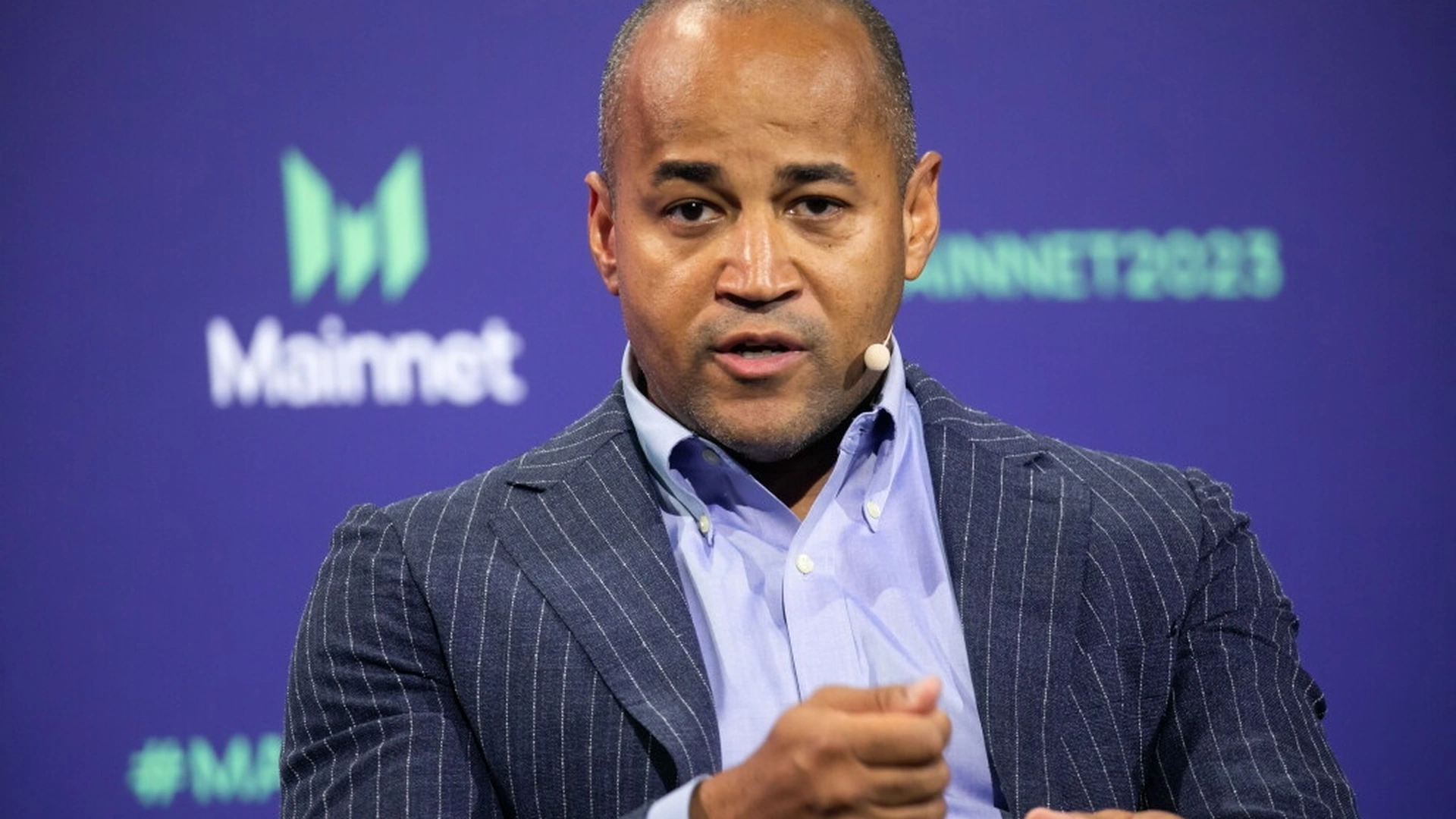
Circle announced the appointments on 13 November. Both executives joined the company in 2021 and have helped build its regulatory and operational framework. Their new titles take effect as the company prepares for a broader set of rules in the United States and other markets.
Disparte will focus on strategy and global affairs
Disparte has led Circle’s work with governments and policy makers. In the new position, he will continue to shape the company’s long-term strategy and external relationships. The role also connects regulatory developments with decisions about markets and partnerships.
Circle highlighted his work around the United States’ federal framework for payment stablecoins. As rules move from legislation to implementation, the company must translate legal requirements into product and operating decisions.
Walia adds operational responsibility
Walia will continue to lead compliance and risk while also becoming Chief Operating Officer. His responsibilities will include the systems that support payments, partners, fraud prevention and privacy across Circle’s products.
The company says compliance and risk will remain independent, with direct reporting lines to the board. That separation is important because an operating leader must still allow control functions to challenge business decisions.
| Executive | Expanded role | Main focus |
|---|---|---|
| Dante Disparte | Vice Chairman, Strategy and Global Affairs | Policy, strategy and global relationships |
| Mandeep Walia | Chief Compliance and Risk Officer and COO | Operations, compliance and risk systems |
The appointments do not introduce a new token or change the design of USDC. Their importance is organisational. Circle expects more institutions to use stablecoin infrastructure, and those clients require reliable settlement, support and controls.
For the wider market, the move shows how digital-asset companies are becoming more similar to regulated financial infrastructure providers. Growth is no longer measured only by token supply. Governance, licensing and operational resilience are becoming equally important.
Circle will now be judged on whether the new structure improves execution without weakening independent oversight. The company is trying to show that scale and compliance can develop together.
The leadership changes therefore matter most as a signal about Circle’s priorities: international expansion, institutional trust and controlled operations.
This article is for information only and is not investment advice.
 admin_wcContributor · World-CryptMore from