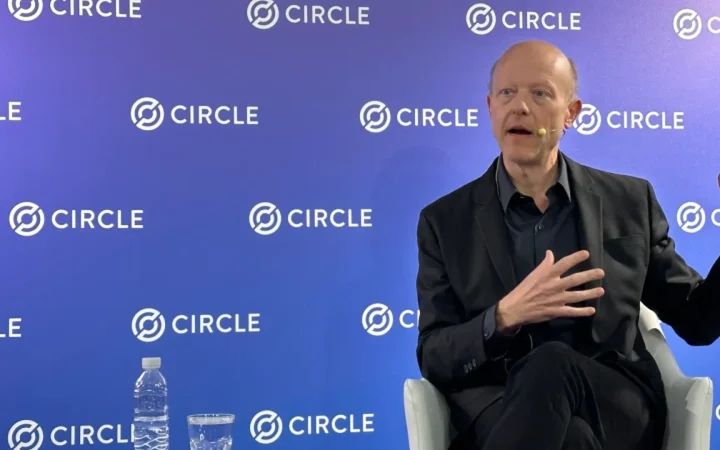









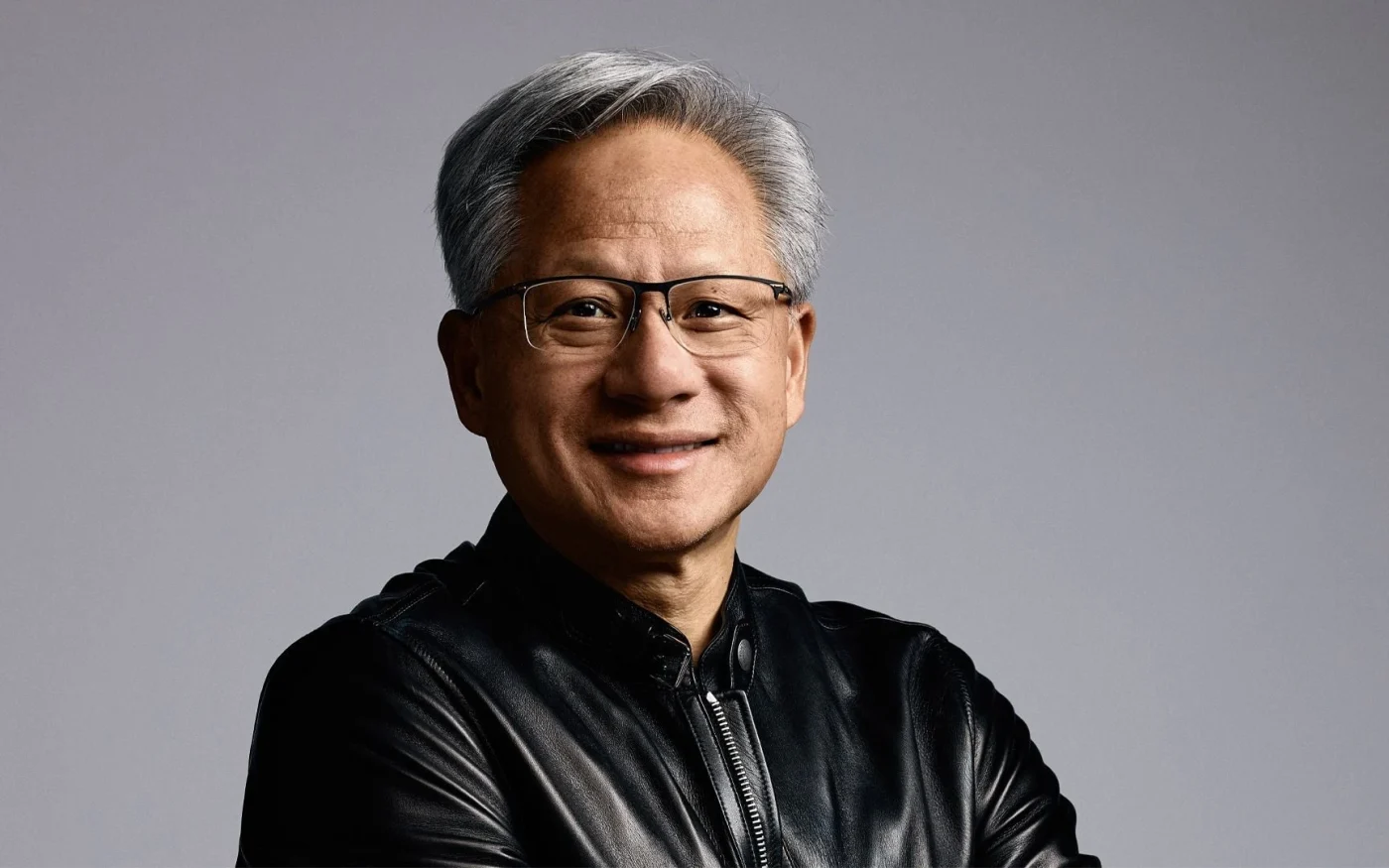
The company says Huang resigned rather than being dismissed
Nvidia’s official announcement states that Huang resigned as president, chief executive and a member of the board with immediate effect. It does not describe the change as a dismissal. Kress will serve as interim CEO while remaining chief financial officer, and the board will consider both internal and external candidates for the permanent role.
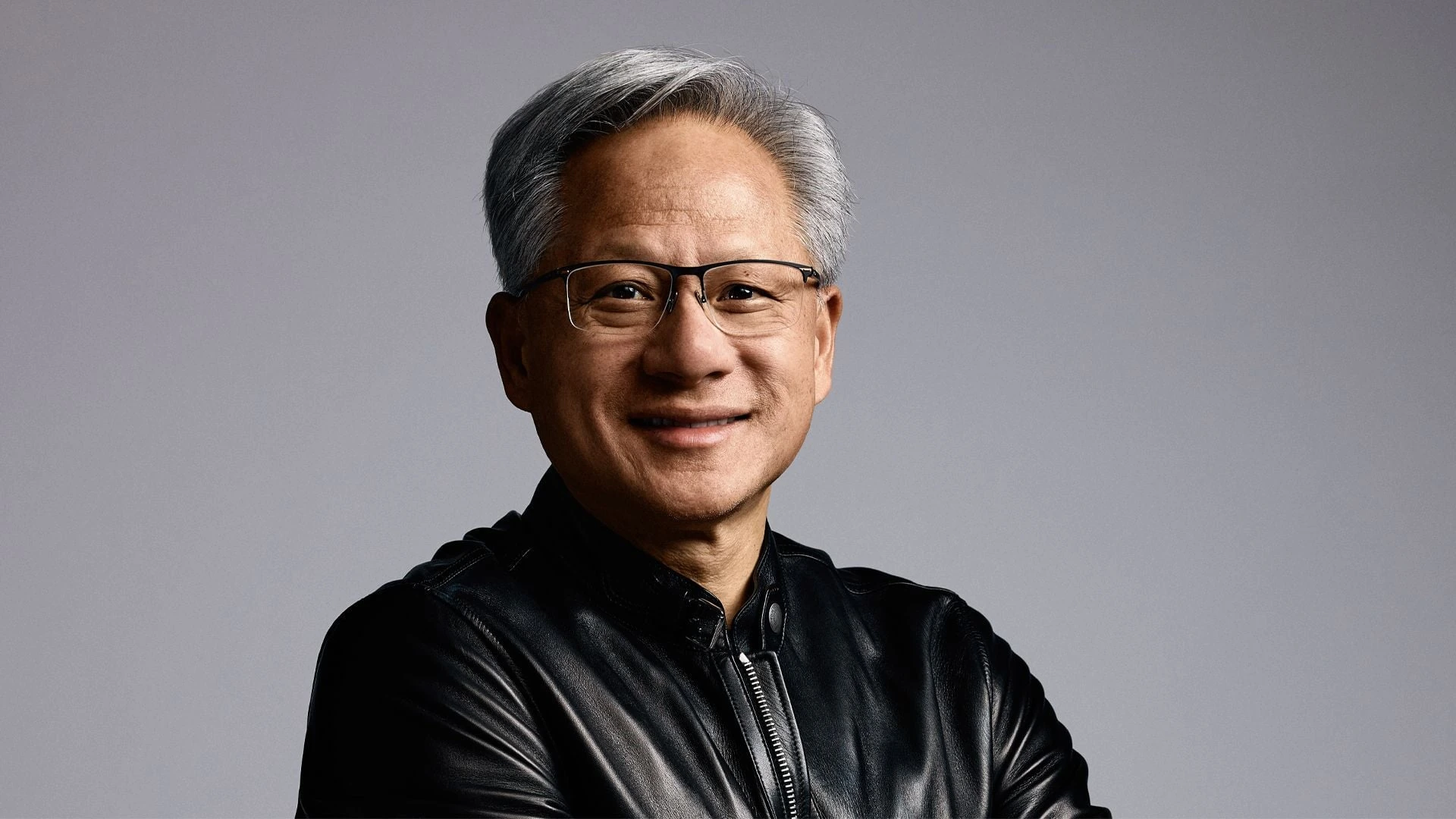
The change ends Huang’s 33-year period at the head of the company he helped create in 1993. During that time Nvidia moved from computer graphics into data-centre chips and became the central supplier of processors used to train and run many artificial intelligence systems. Kress has led the company’s finance operation since 2013 and previously worked at Cisco, Microsoft and Texas Instruments.
Trump suggests Tim Cook, but the board has made no such decision
US President Donald Trump publicly said that Tim Cook should replace Huang. Trump described the former Apple chief executive as a possible successor, but the comment is a political recommendation rather than an appointment. Nvidia has not said that Cook is a candidate, and neither Cook nor Apple has announced talks with the chipmaker.
Cook left the Apple CEO position in September 2026 and remains the company’s executive chairman. Any permanent Nvidia appointment must come from the board’s search process. For now, Kress is the only confirmed leader, and her task is to preserve operational continuity while the company prepares its next earnings report.
Nvidia falls below $150 before recovering from the opening shock
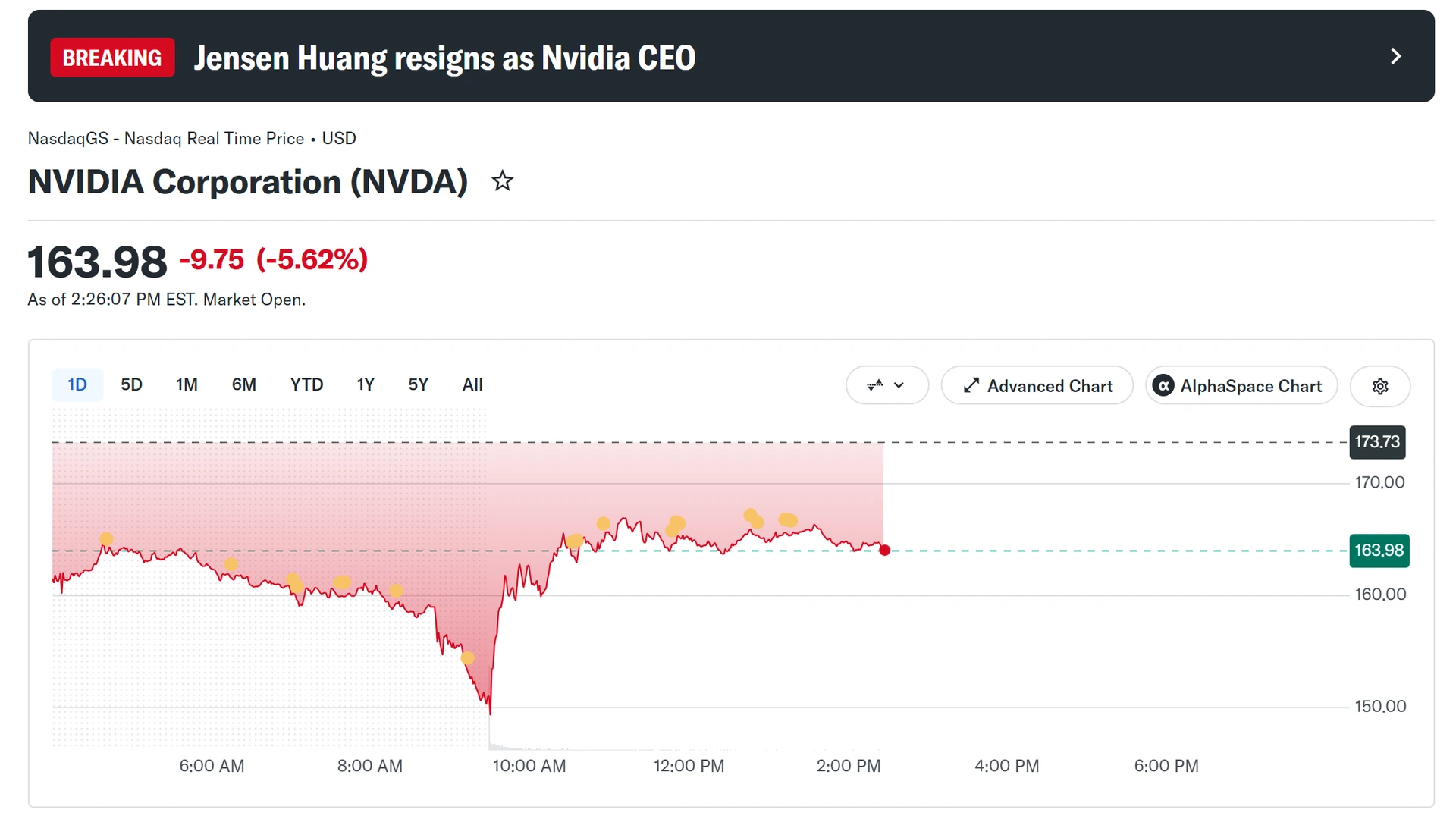
Nvidia opened at $151 and fell to an intraday low of $148.83. That represented a decline of about 14% from the previous close during the first part of the session. The sell-off did not remain at its deepest level: at 18:40 UTC the shares traded near $165.99, down about 4.5% on the day.
The movement shows how quickly investors changed their assessment after losing a leader closely identified with Nvidia’s strategy and public image. It also shows why the first percentage seen after a major announcement should not be presented as a final closing result. Trading remained active, and the price continued to move as investors assessed Kress, the search for a successor and the company’s approaching results.
The initial pressure spread through AI shares, not all of Big Tech
The Nasdaq Composite fell as much as 1.6% early in the session, while several companies linked to artificial intelligence infrastructure also declined. CoreWeave and Micron were among the names under pressure. The reaction reflected concern that uncertainty at Nvidia could affect confidence across a market that has depended heavily on AI investment.
The broader picture later became less uniform. By the same point in the session, Apple, Microsoft, Alphabet and Amazon were trading higher, while Meta was only modestly lower. AMD and Broadcom also advanced. It is therefore more accurate to describe an early Nvidia-led shock and weakness in selected AI stocks than a continuing collapse across every major US technology company.
Kress now has to provide continuity before earnings
Nvidia is scheduled to report earnings on 17 November. Investors will look for confirmation that product deliveries, customer relationships and financial guidance remain stable despite the leadership change. Kress already knows the company’s forecasts, spending plans and major customers, which reduces the operational gap during the search.
The longer-term question is whether the next permanent CEO can maintain Nvidia’s technical direction and its relationships with governments and large cloud companies. The stock’s partial recovery suggests that investors did not treat the resignation as an immediate break in the business, but the unusually wide trading range shows that confidence remains sensitive to every new detail.
This article is for information only and is not investment advice.
 admin_wcContributor · World-CryptMore from