










The ranking changed during the session, not at the close
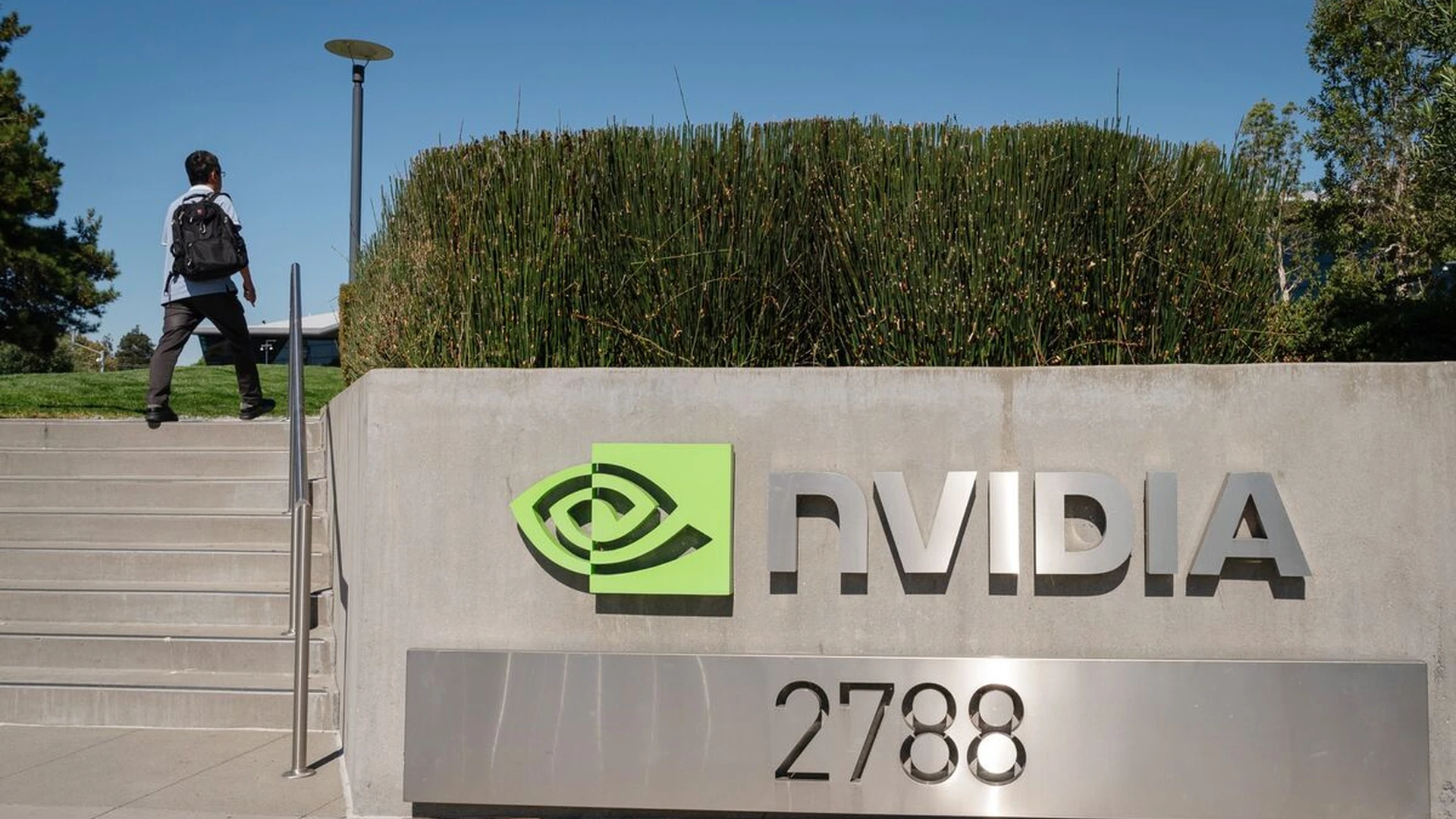
Nvidia closed on 10 November at $168.89, down 5.47% for the day. Its market value was about $4.08 trillion, which left it second behind Apple at the closing bell. Microsoft briefly moved ahead during intraday trading, so describing Nvidia as permanently third would overstate what happened.

The distinction matters because market capitalisation changes with every share-price move. A temporary ranking can attract attention, but the closing values provide a more stable comparison. Nvidia still remained one of only a few companies valued near or above $4 trillion.
The decline has erased a large part of the October peak
From the record close of $239.24 on 6 October to the 10 November close, Nvidia shares fell about 29%. That change removed roughly $1.7 trillion from the company’s market value. About $430 billion of that reduction came during the latest two sessions.
This does not mean Nvidia paid out that amount or lost the same sum in cash. Market capitalisation is the current share price multiplied by shares outstanding. The figure shows how investors repriced the company, not a direct withdrawal from its balance sheet.
Leadership risk arrived during a broader AI valuation debate
The latest pressure followed Nvidia’s board investigation into reports concerning chief executive Jensen Huang and possible foreign-intelligence issues. Investors are considering whether the situation could affect leadership, access to China and the company’s ability to communicate a stable long-term plan.
At the same time, the wider market is questioning how quickly enormous spending on data centres will produce durable profits. Nvidia supplies the chips behind much of that investment, so its valuation has become a measure of confidence in the entire AI build-out rather than only the outlook for one manufacturer.
Crypto traders should watch liquidity rather than copy the equity move
Bitcoin and other digital assets do not follow Nvidia tick for tick, but they often react to the same changes in risk appetite. A fall in a large AI stock can encourage investors to reduce leverage, hold more cash and sell assets whose value depends heavily on future growth. That link is strongest when bond yields or volatility rise at the same time.
The useful signal is therefore not Nvidia’s rank alone. Traders should watch whether the sell-off spreads to other semiconductor companies, whether technology indices lose support and whether crypto liquidations accelerate. A rebound in one session would not erase the concentration risk, while continued broad selling would make the pressure more significant.
This article is for information only and is not investment advice.
 admin_wcContributor · World-CryptMore from