









The licence belongs to a company registered in Gibraltar
The authorised company is Revolut Global Digital Assets Limited, not every company in the wider Revolut group. This company was established to support Revolut’s international cryptocurrency services alongside existing operations in the United Kingdom and Europe.

That legal detail matters because licences have defined holders and jurisdictions. The announcement supports future international services, but it does not mean that every feature becomes available in every country immediately. Revolut says the specific regions and products will be announced in due course.
The permission covers several cryptocurrency services
Gibraltar’s government says the authorisation includes routing customer orders to buy or sell virtual assets, completing approved purchases and sales, safely storing client assets and giving regulated access to crypto-staking. Safe storage means holding and protecting client assets. Crypto-staking means locking eligible assets to support blockchain validation and receive rewards, subject to product terms and lock-up risks.
A DLT provider must therefore maintain controls across more than a trading interface. Governance, asset segregation, operational resilience and communication with customers all influence whether the service works safely after launch.
What the Gibraltar permission covers
- Routing customer orders: Passing customer orders to buy or sell virtual assets
- Completing client trades: Completing approved purchases and sales of virtual assets
- Secure custody: Holding and safeguarding virtual assets
- Blockchain validation rewards: Regulated access to crypto-staking services
Gibraltar uses a dedicated DLT framework
The permission was granted under Part 7 of the Financial Services Act. Gibraltar has built a regulatory route specifically for firms using distributed-ledger technology, giving the new entity a formal base instead of relying on a general business registration.
Revolut also resumed onboarding Gibraltar residents to its payments application. That local development and the cryptocurrency licence were announced together, but they are not the same service. One concerns access to the general app, while the other authorises a separate company to provide regulated cryptocurrency services.
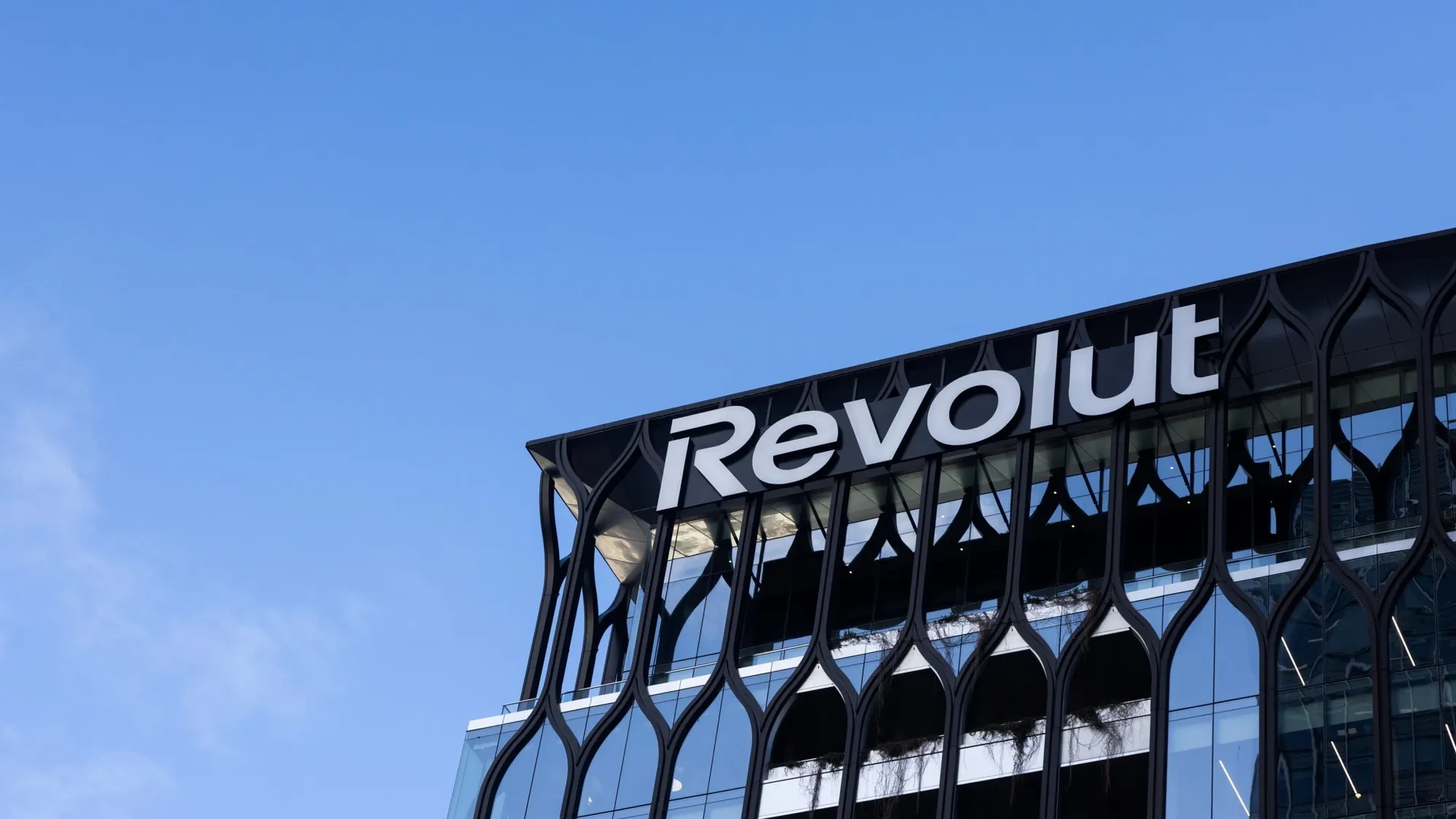
Revolut’s size makes the launch of these services worth watching
Revolut reports more than 80 million retail customers worldwide and over 16 million crypto users. The numbers describe the group’s existing reach; they are not a forecast of how many people will use the company licensed in Gibraltar.
The important next step is implementation. Markets, assets and customer protections need to be named before users can judge the practical effect. For now, the confirmed development is regulatory: a company licensed in Gibraltar may transmit client trade instructions, complete approved virtual-asset trades, hold client assets and provide crypto-staking services under the DLT regime.
This article is for information only and is not investment advice.
 admin_wcContributor · World-CryptMore from