









The change affects infrastructure, not ownership
The shutdown does not remove assets from wallets and does not stop the Sui network. It changes how software asks nodes for balances, objects, events and transaction information. A user may notice nothing, while an unmaintained explorer, bot or backend can fail because its request format is no longer accepted.
Sui disabled JSON-RPC on Foundation mainnet full nodes earlier and scheduled full code removal for mid-October 2026. The latest documentation now directs developers to the supported data-access paths rather than treating migration as an optional future task.
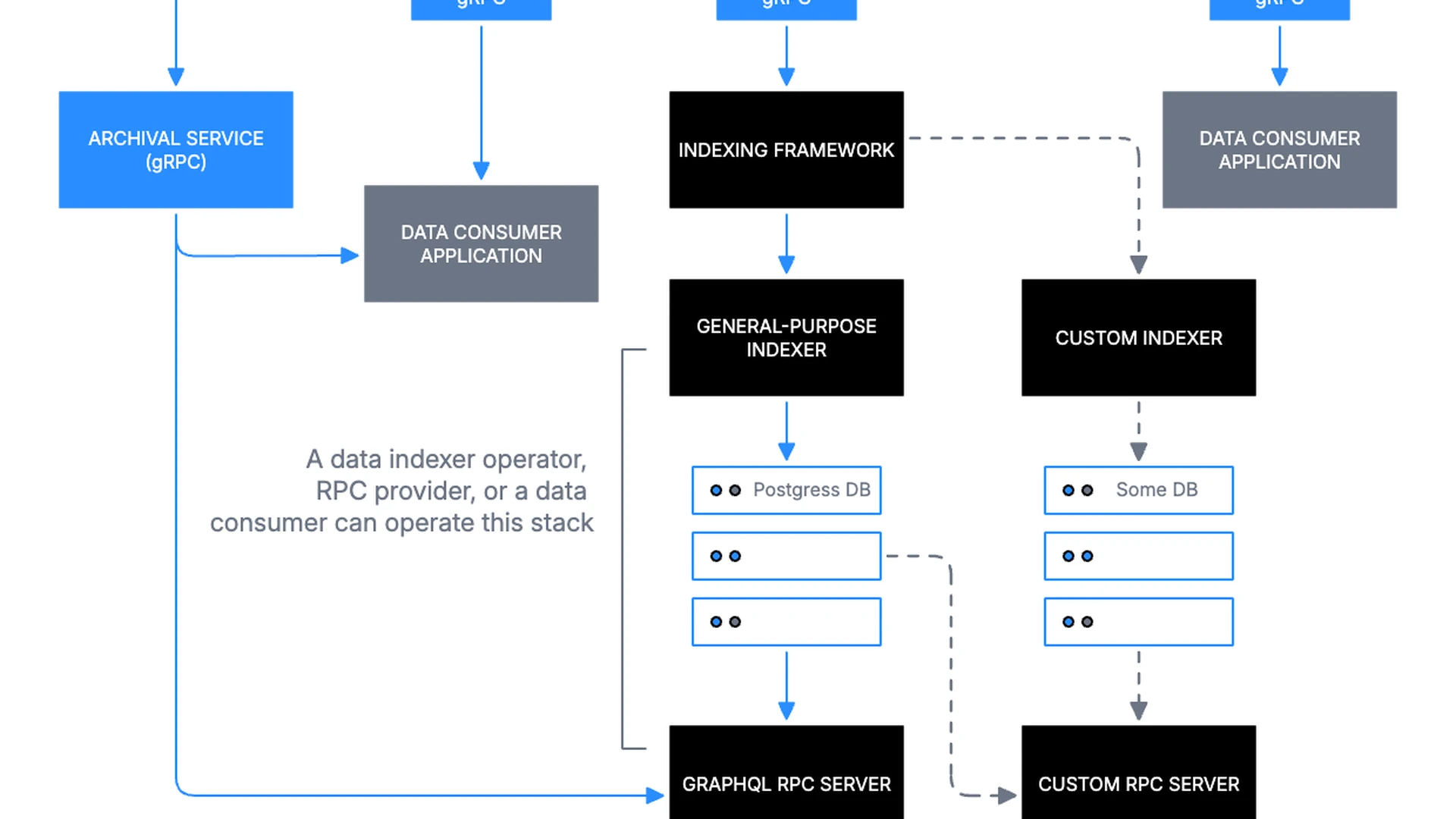
gRPC and GraphQL solve different problems
gRPC is suited to typed, high-performance service calls and streaming workflows. GraphQL is useful when an application wants to request a precise set of connected fields without downloading a larger response. Neither interface is a line-for-line replacement for every old method.
Teams should use Sui’s migration mapping to identify each JSON-RPC call, then choose the supported equivalent. If a third-party provider sits between the app and the network, its documentation and rollout date also need to be checked.
A safe migration needs comparison before cutover
Developers should run old and new data paths side by side on known accounts and transactions, compare pagination and error handling, then monitor the production endpoint after switching. Special attention is needed for numeric formats, object versions and event cursors because a response that looks similar can still behave differently.
The decommission is important beyond Sui developers. It shows how quickly blockchain infrastructure can retire a familiar interface once a network chooses a new performance model. Applications that depend on public nodes need version tracking and fallback providers, not a one-time integration left unchanged for years.
This article is for information only and is not investment advice.
 admin_wcContributor · World-CryptMore from