









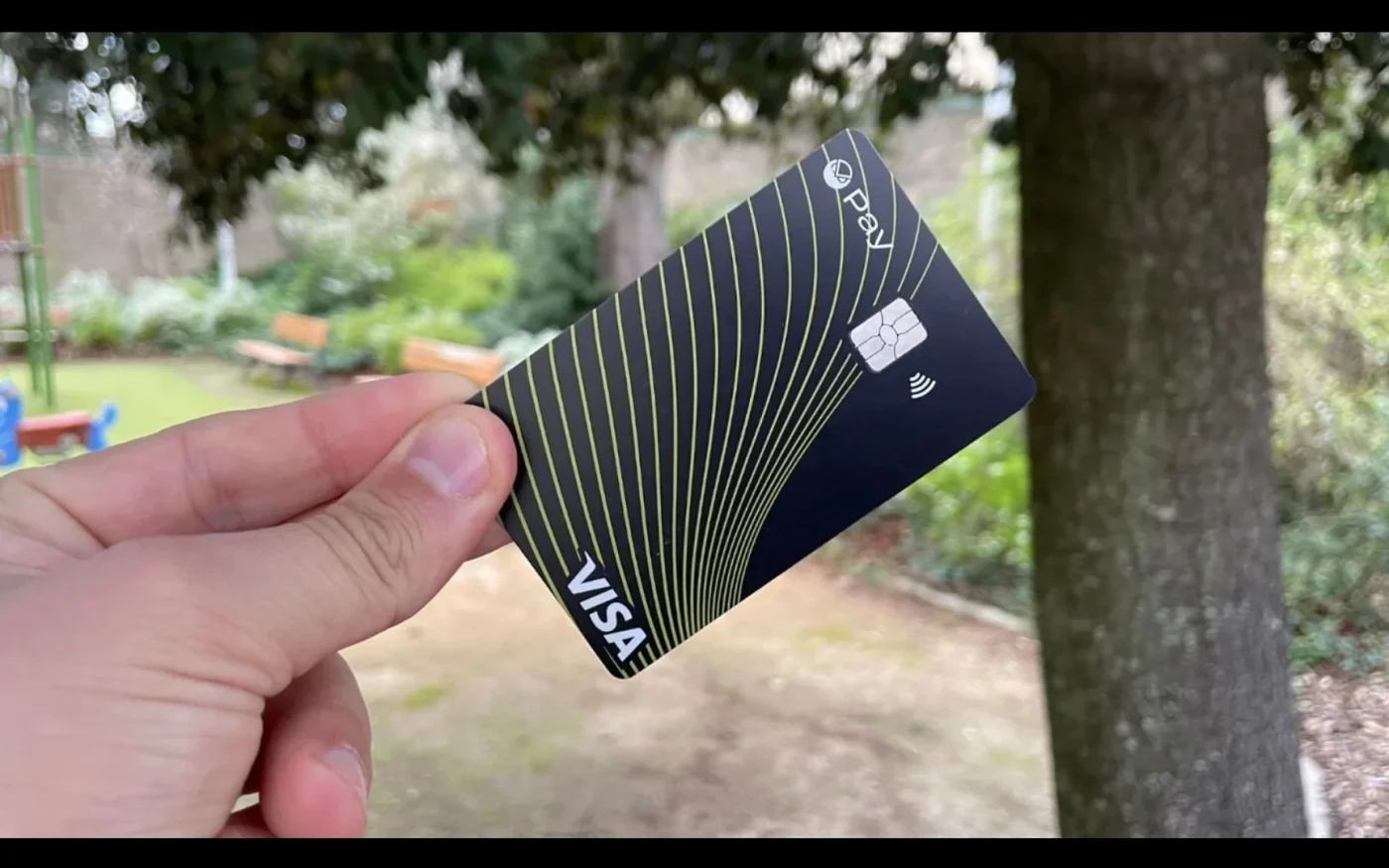
The incident was detected on 3 November
Gnosis Pay said its monitoring systems identified the unauthorised access on 3 November. Containment began within two hours, affected credentials were replaced and the vulnerability was addressed.

The incident was limited to the business-to-consumer system that powers Gnosis Pay-branded cards. That platform was already scheduled for retirement on 20 December, while the separate white-label enterprise service remained outside the breach.
Affected customers received individual notices
The company published its disclosure on 6 November and emailed affected users with details of the information taken from their accounts. It also reported the incident to partners, the card issuer and the relevant data-protection authorities.
Gnosis Pay did not present the exposure as a loss of wallet funds. The risk now comes from possible misuse of personal and card information, especially in targeted messages that appear credible because they include genuine account details.
Additional controls are already active
The company increased monitoring of card activity and linked wallets. It also made 3D Secure verification mandatory for online card payments until the legacy consumer system is retired.
Those measures can reduce unauthorised payments, but they cannot remove information that has already been copied. Customers therefore need to treat unexpected calls, emails and text messages as potential phishing attempts.
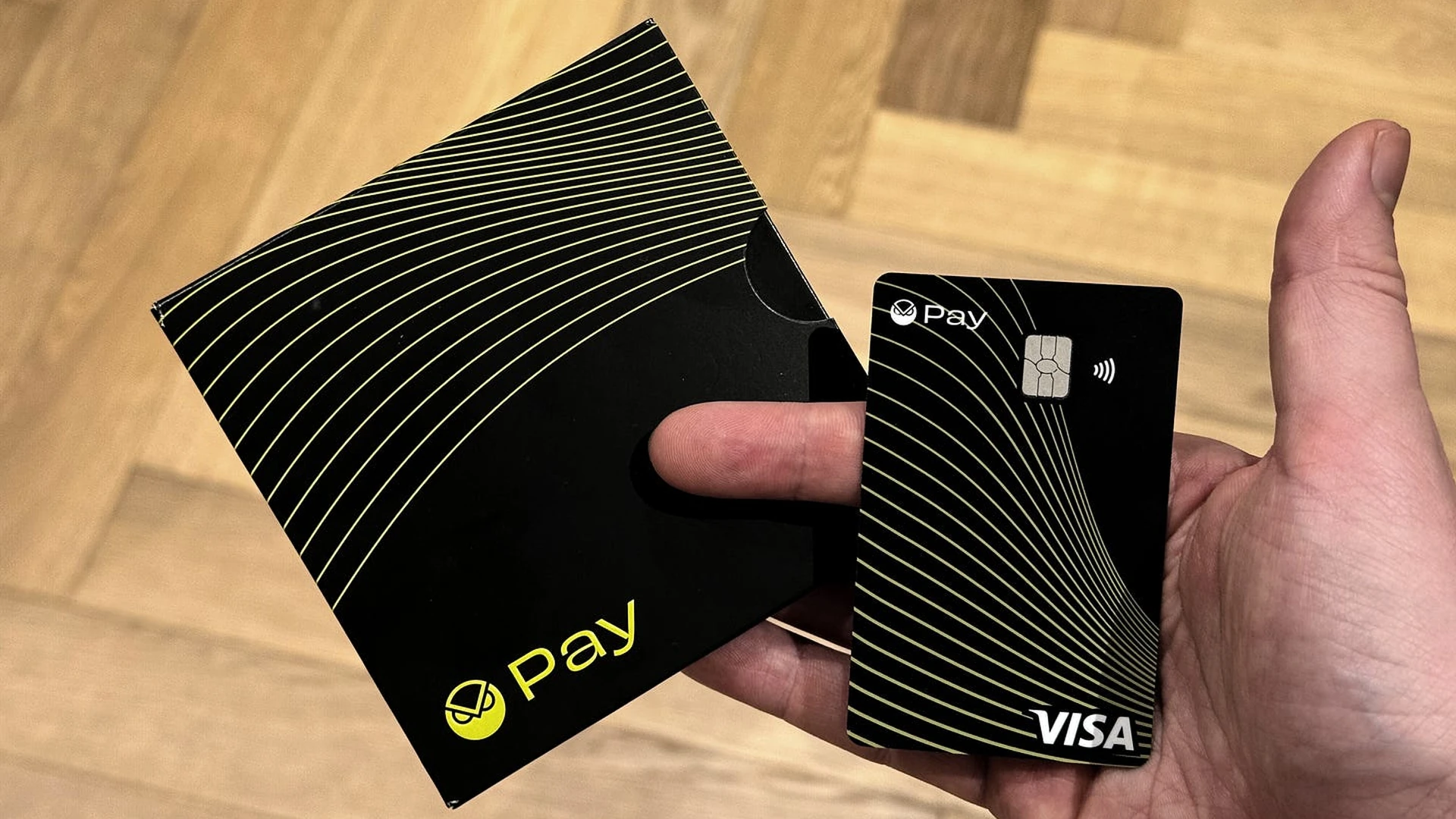
Users should rely only on the official application
Gnosis Pay advised customers not to follow links in messages that request account verification. Any legitimate account change should be completed inside the official web app or the user’s partner application.
Seed phrases, private keys, PINs and full card numbers should never be shared. The incident shows why a breach that does not directly drain funds can still create a serious security problem through later social-engineering attacks.
This article is for information only and is not investment advice.
 admin_wcContributor · World-CryptMore from