








Ripple connects cash information in one workflow
Corporate treasury teams often collect bank balances, expected payments and short-term cash needs in separate systems. Ripple says its Treasury software brings those records together so staff can compare available cash with upcoming obligations.
The artificial-intelligence component is named GSmart. Ripple says customers can choose manual, semi-autonomous or fully autonomous workflows within their treasury policies.
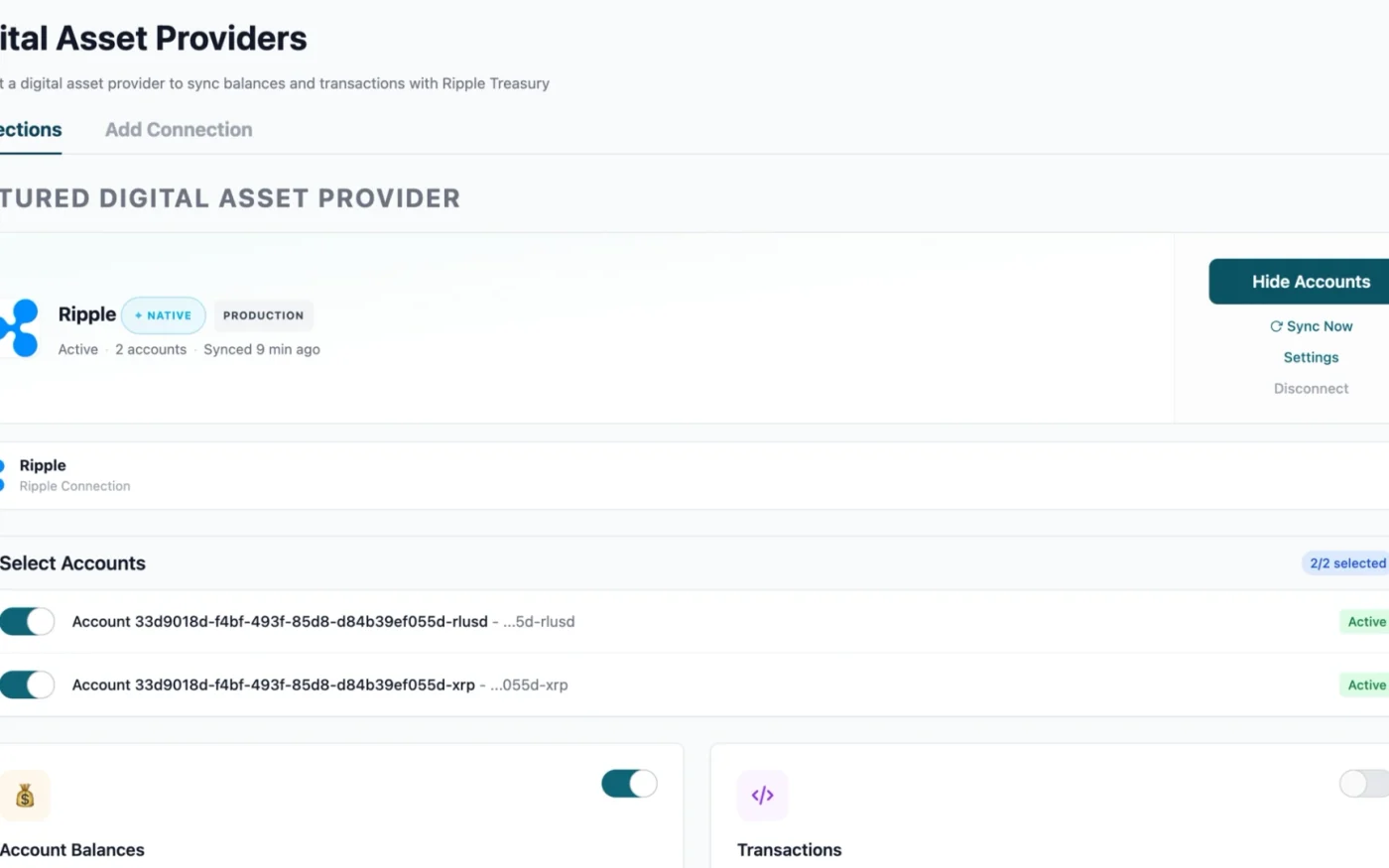
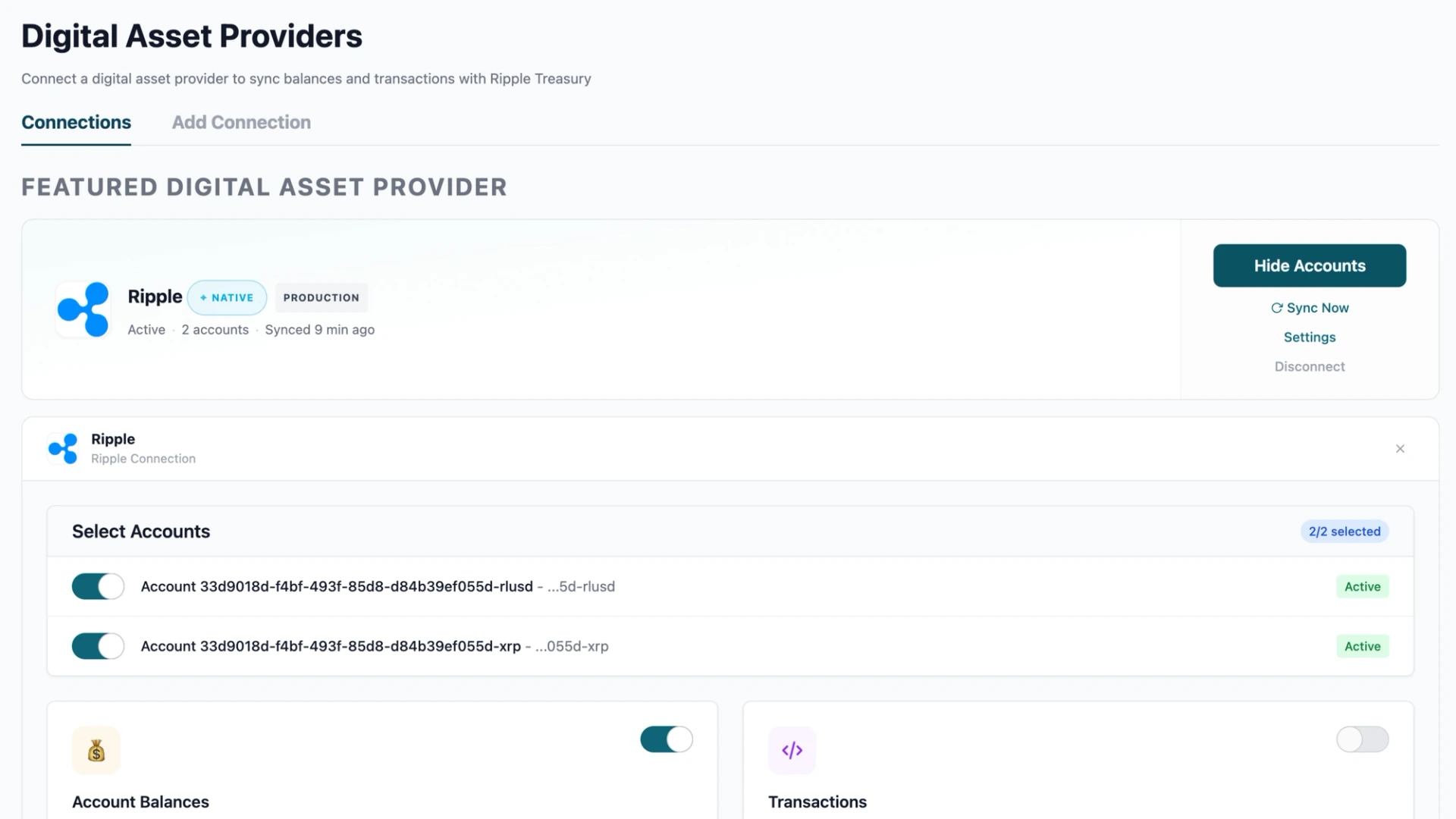
The platform can connect traditional banks with digital payment systems. The purpose is to reduce repeated data entry and give staff one record of the decision, payment and resulting balance.
Eligible assets can earn investment income through 24/7 Returns
Ripple announced the software on 26 October 2026. Its 24/7 Returns feature allows eligible companies to earn investment income outside normal banking hours.
A company must hold qualifying assets, including RLUSD, in a Ripple wallet and meet the programme requirements. Availability can also depend on the customer’s jurisdiction and compliance status.
These conditions matter because the announcement does not turn every digital asset into risk-free cash. Treasury teams still need to review access, redemption terms, accounting treatment and counterparty exposure.
Functions in the Ripple Treasury workflow
- Monitoring cash balances and forecasts
- Reconciliation and liquidity planning
- Payments through traditional and digital payment systems
- GSmart suggestions under company controls
- 24/7 Returns for eligible customers and assets
Controls remain as important as speed
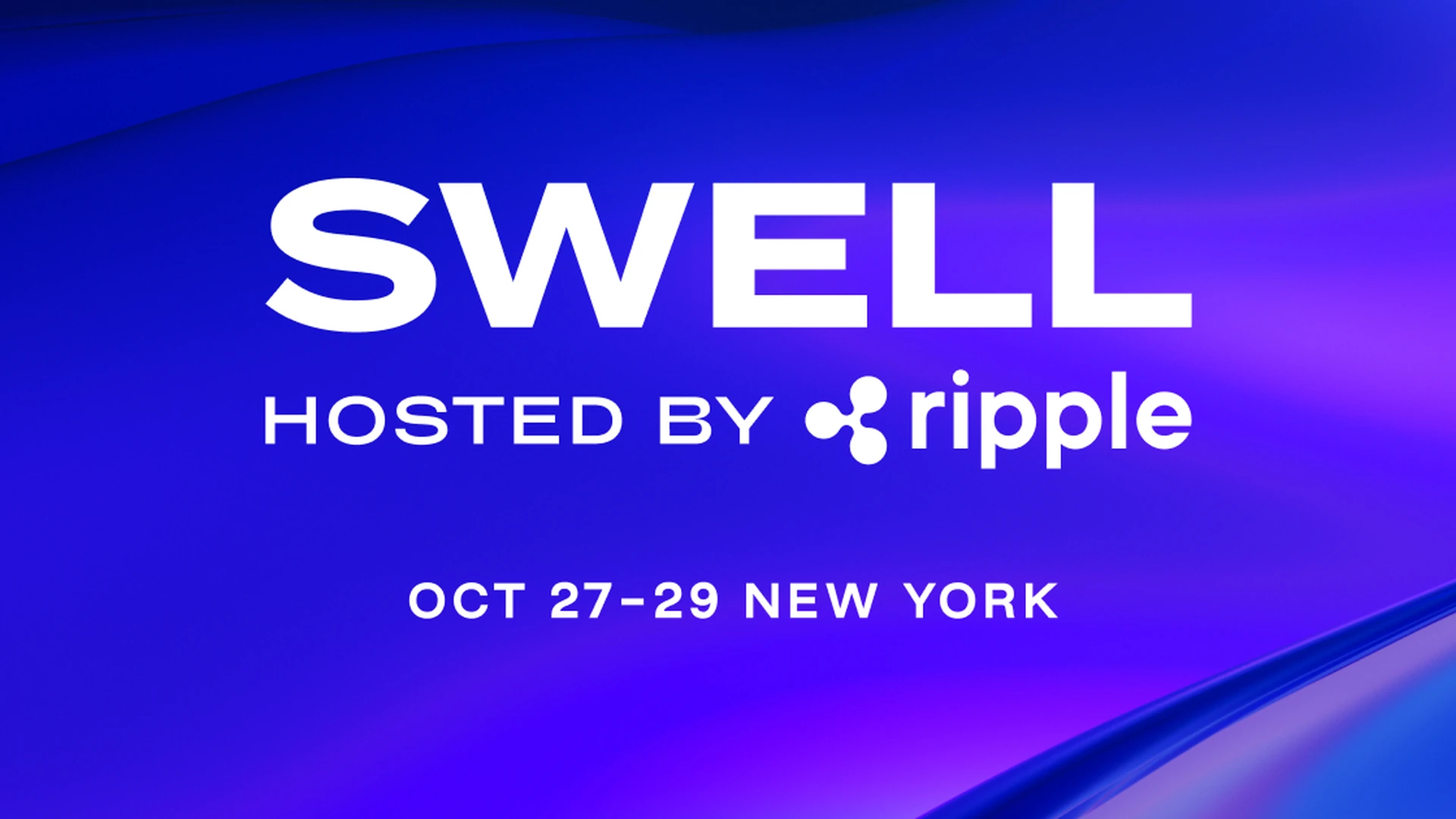
Ripple presented the update during Swell 2026 and positioned the product for corporate finance teams. Round-the-clock access is useful only when a company can identify who approved an action and how the final balance reached its records.
The product should therefore be judged by the quality of its bank connections, permissions and exception handling. Faster transfers do not remove the need for reliable reconciliation.
The practical promise is simple: monitor cash balances, select between traditional and digital payment systems, and let eligible assets earn investment income when ordinary banking markets are closed.
This article is for information only and is not investment advice.
 admin_wcContributor · World-CryptMore from