








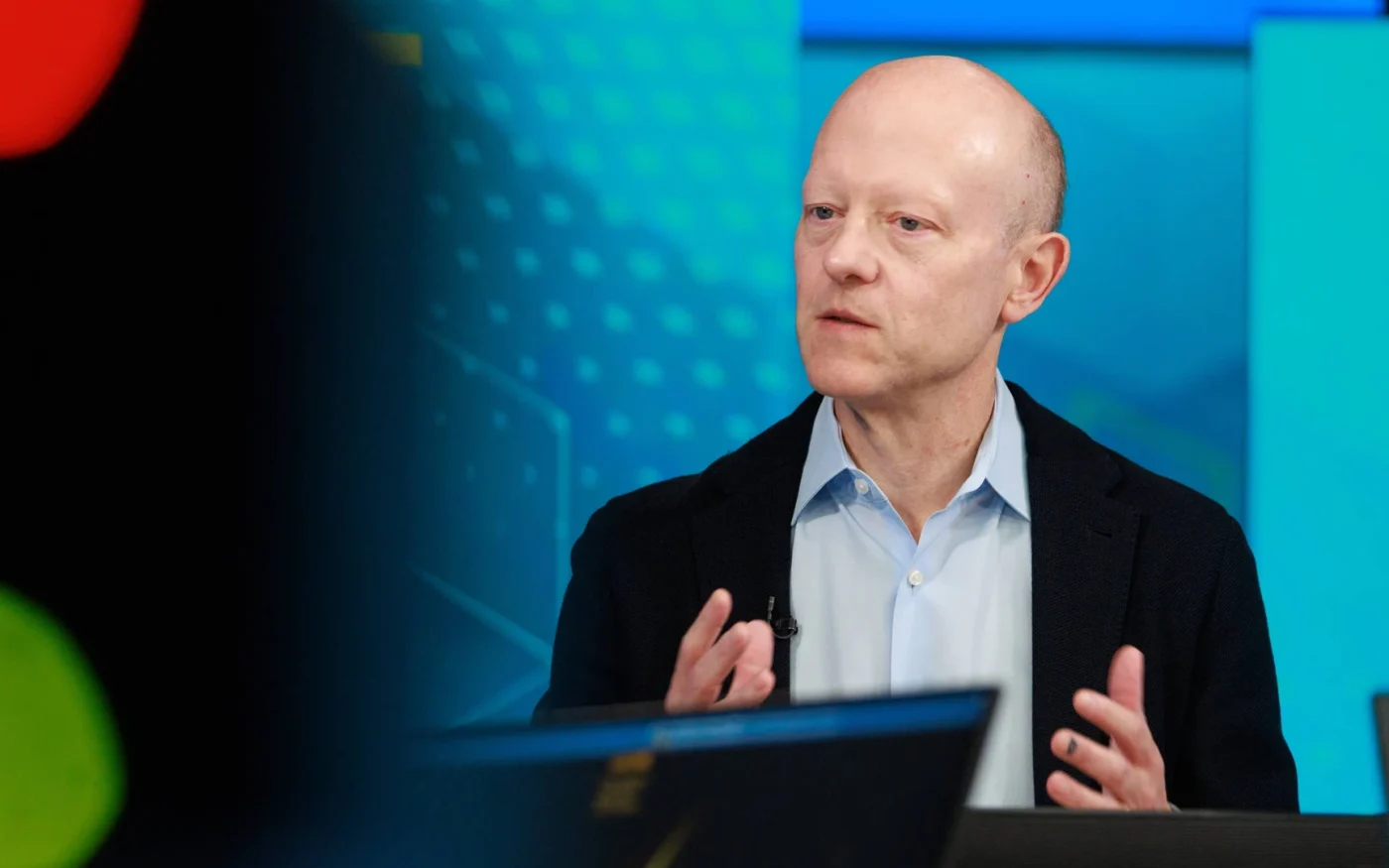
The freeze was recorded shortly after the transfers
On-chain records show two large USDC movements before Circle blocked the receiving address at about 21:04 UTC on 29 October. The combined balance was approximately 823 million USDC.
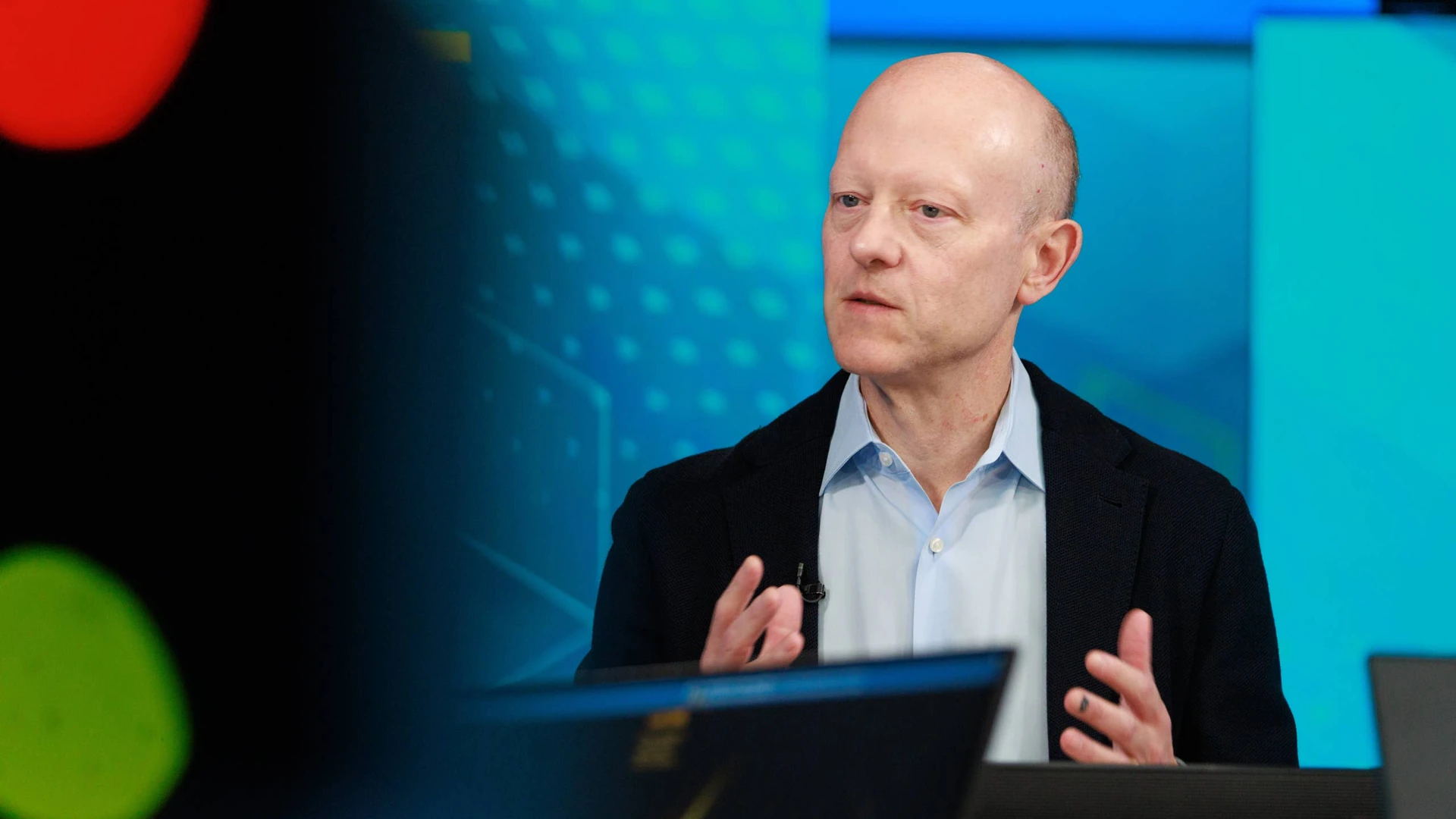
Circle chief executive Jeremy Allaire said the company froze more than 800 million dollars connected with the incident. Exact independent verification still requires the relevant addresses, transactions and smart-contract calls.
A freeze prevents movement but does not return funds
USDC contracts allow Circle to block listed addresses from sending or receiving the token. The balance remains visible on-chain but cannot move while the block remains active.
The action therefore does not automatically send USDC back to Binance. Recovery depends on the investigation, legal process and any later decision by the issuer.
Tether also blocked more than $1.5 billion
Tether said it froze more than 1.567 billion USDT connected with the possible incident. Binance later reported that all issuers and partners had frozen about 2.54 billion dollars in assets.
Suspicious wallet movements were estimated at up to 5.6 to 5.8 billion dollars, but that is not a confirmed damage figure. Binance says customer funds are safe, while Zhao says the activity looks like a hack.
Circle and Binance had expanded their partnership
The response came weeks after Circle and Binance announced an expanded partnership on 22 September. Binance said it would invest 100 million dollars and increase the use of USDC across its products.
That commercial agreement is separate from the freeze. Circle’s confirmed action concerns the addresses associated with the 29 October incident, whose total loss is still being investigated.
This article is for information only and is not investment advice.
 admin_wcContributor · World-CryptMore from