







Workers connect existing systems to one common format
An MDK Worker is a software adapter, not an employee. Each Worker translates a company’s existing interface into the MDK format. The Kernel coordinates data and actions, while the Gateway gives applications a controlled route to those services. Developers can use the JavaScript SDK and React components to build monitoring tools.
The official list covers different parts of mining. Bitmain, Canaan and MicroBT make ASIC hardware. EMCD, F2Pool, Foundry Digital, Luxor and OCEAN provide pools or mining services. Proto supplies mining hardware and systems, Heatbit combines mining with heating products, and Stratum V2 is an open mining protocol rather than a company or pool.
QVAC already operates through MDK
Tether’s QVAC AI agent already works through MDK; it is not only a future plan. With the correct permissions, software can compare hashrate, energy use and hardware temperatures, identify a failing unit and report the fault through one interface. Operators can then decide whether an action should be automatic or require approval.
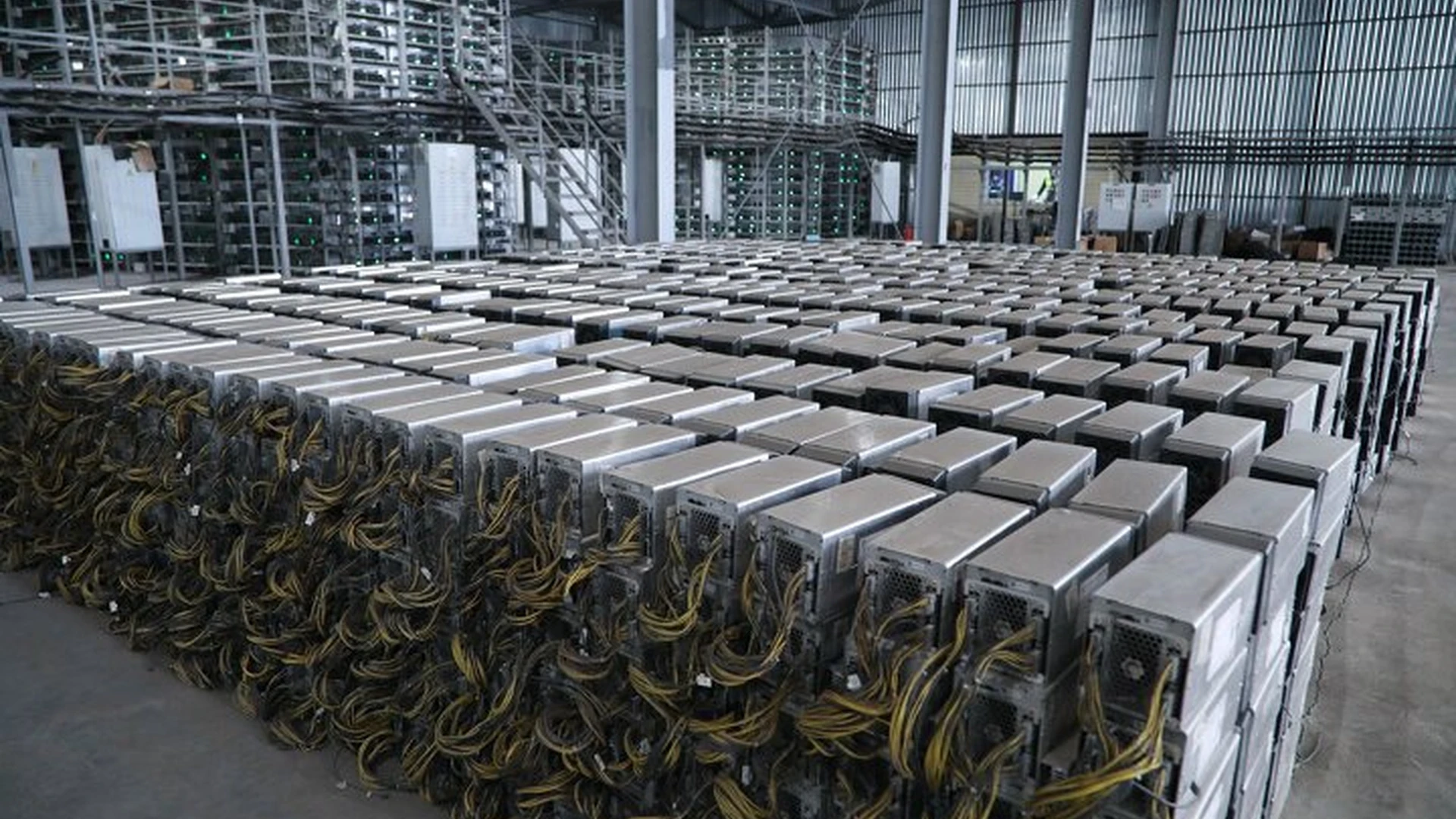
A common layer is useful because farms often contain equipment from several manufacturers. Without adapters, a monitoring application needs a separate connector for each interface. MDK can reduce that repeated work while allowing operators to keep their existing machines and services.
| Category | Examples |
|---|---|
| ASIC hardware | Bitmain, Canaan, MicroBT |
| Pools and services | EMCD, F2Pool, Foundry Digital, Luxor, OCEAN |
| Hardware and systems | Proto, Heatbit |
| Open protocol | Stratum V2 |
The project is open but has not reached mass adoption
Tether launched MDK on 27 April 2026 and presented version 0.11 at the Plan B Forum on 23 and 24 October. The company plans a stable 1.0 release before the end of the year, but that is a target rather than a guaranteed date. The source code is already available for testing and new Workers.
Support announcements do not prove that the system is deployed across large numbers of farms. Its practical value will depend on maintained integrations, clear permissions and reliable data from real facilities. The 15 participants give developers wider hardware and service coverage, while the open architecture leaves room for other providers to join.
This article is for information only and is not investment advice.
 admin_wcContributor · World-CryptMore from