








BLOOM connects public authorities and the private sector
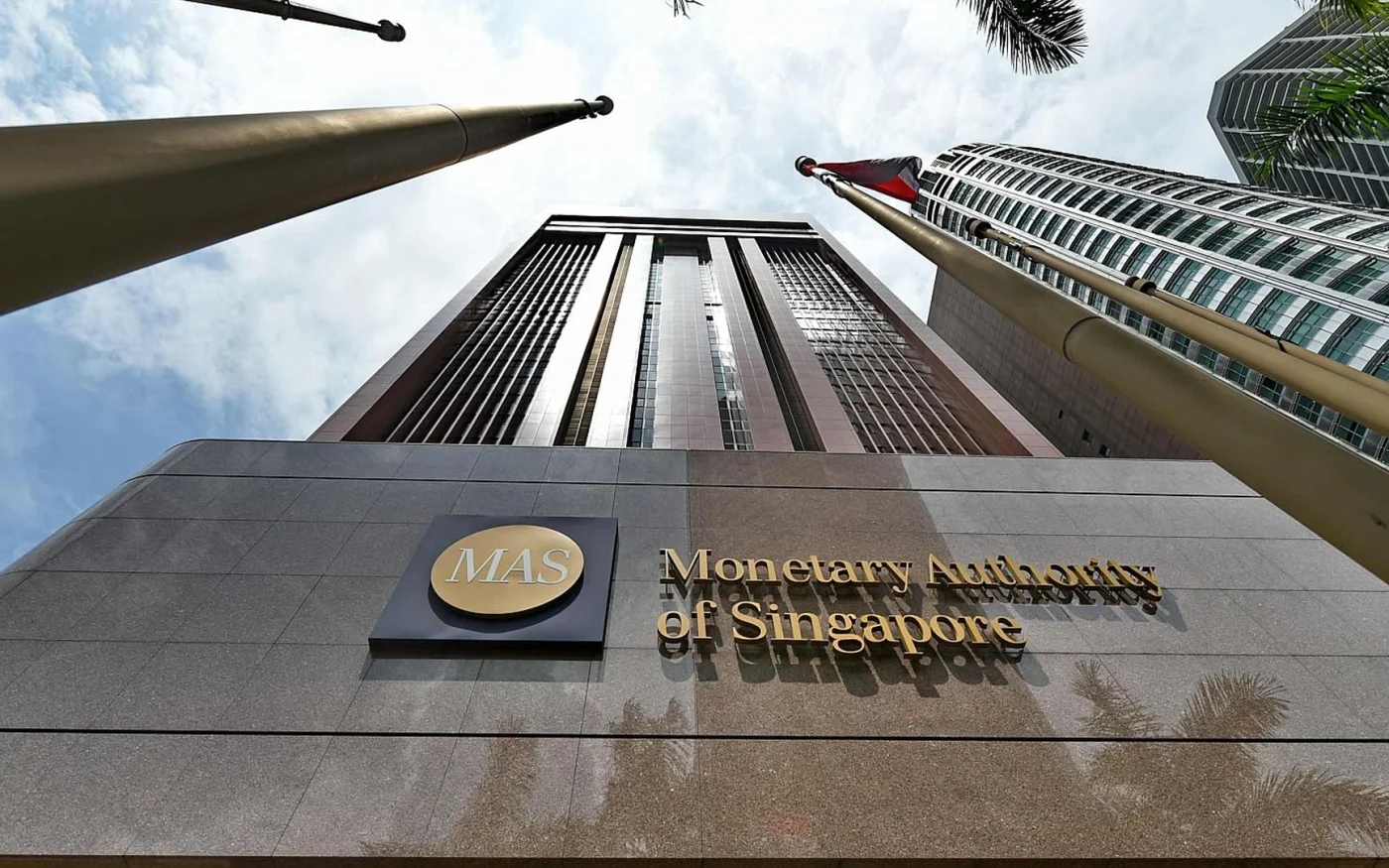
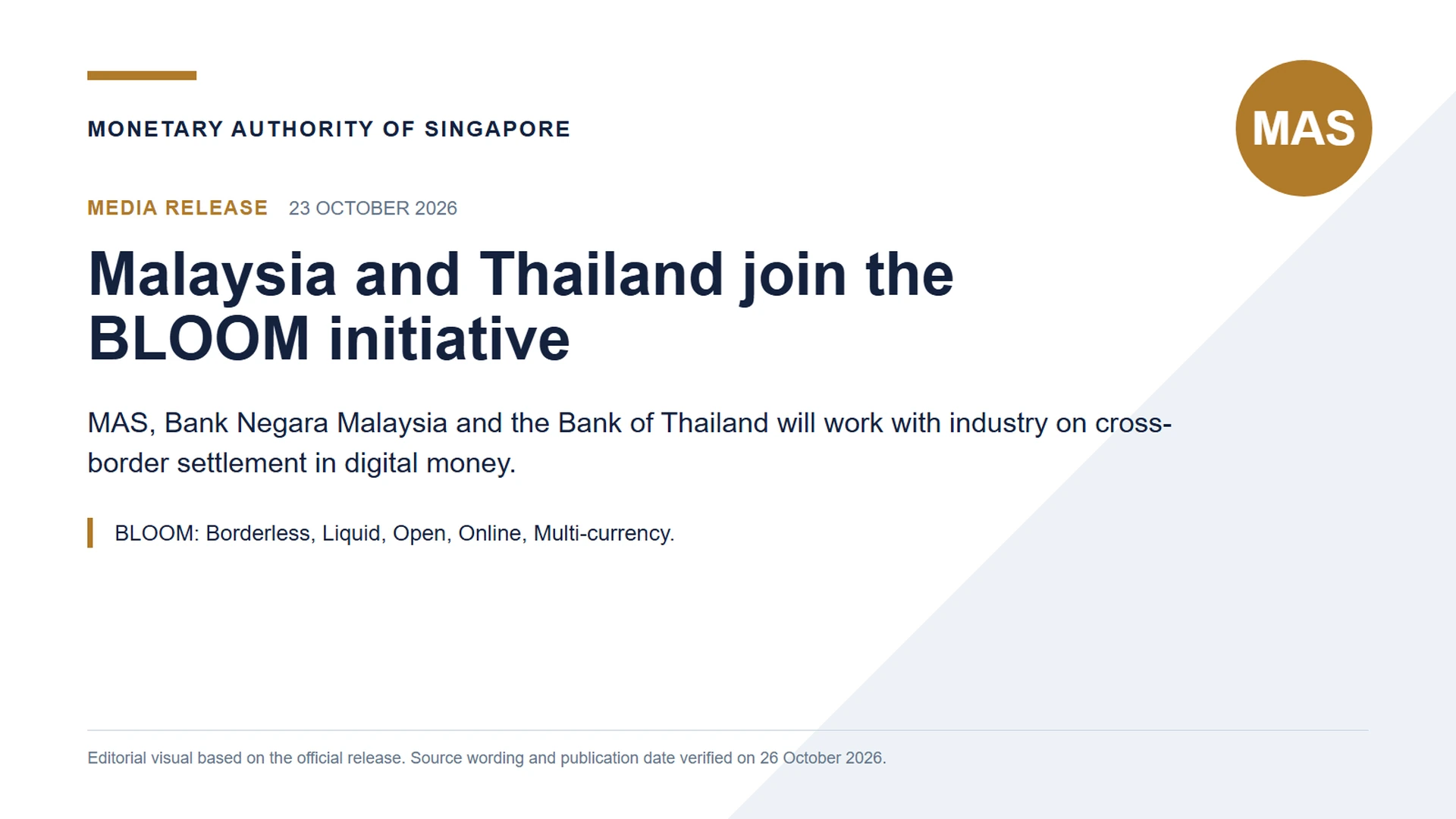
BLOOM stands for Borderless, Liquid, Open, Online, Multi-currency. The initiative brings together the Monetary Authority of Singapore, Bank Negara Malaysia, the Bank of Thailand, financial institutions and the World Bank Group.
The partners plan to study how different forms of digital money can support settlement across borders. The work includes tokenised commercial-bank deposits, regulated stablecoins and settlement across payment networks. New industry participants named in the announcement include Airwallex, Mastercard, Maybank, Monee, Nium, Ripple, ShopeePay and Visa. The World Bank Group contributes experience in payment-system modernisation, financial inclusion and the needs of developing economies.
The planned work focuses on compatible systems
One area is interoperability: systems in different countries need to exchange instructions and confirm settlement without every participant rebuilding its technology. Another area is payment settlement across currencies and jurisdictions while preserving clear records of each transfer.
The initiative will also examine programmable compliance. That includes customer identity verification, sanctions screening and checks on the transaction itself. The purpose is to apply legal controls within a digital process rather than removing those controls for the sake of speed.
Areas of planned work
- Interoperability between digital-money and settlement systems.
- Cross-border and multi-currency payment settlement.
- Customer identity verification, sanctions screening and transaction checks.
- Cooperation between central banks, industry participants and the World Bank Group.
The announcement begins cooperation rather than proving a final model
The 23 October release describes future collaboration. It does not say that Malaysia, Thailand and Singapore have already completed a cross-border test with live customer money. Technical designs and industry work must still show which approach can operate at scale.
The value of the agreement is the shared framework. Three central banks and the World Bank Group can compare settlement rules, technical standards and compliance requirements before a wider deployment. The participants also want common implementation and operating arrangements so that financial institutions do not need a separate technical connection and commercial agreement for every market or counterparty. Any later pilot will need separate results before its speed, cost and reliability can be judged.
This article is for information only and is not investment advice.
 admin_wcContributor · World-CryptMore from